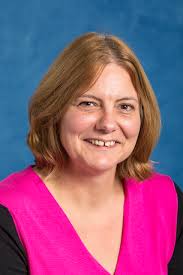
Professor Claire Carmalt is a Professor of Inorganic Chemistry and the 18th Head of Department for Chemistry at University College London (UCL), the first woman appointed to the position.
She specialises in the synthesis of highly volatile, non-toxic molecular precursors for the growth of thin films of transparent conducting oxides (TCOs). TCOs are used in a range of different technologies, including computers, mobile phones and photovoltaic devices. The materials most commonly used to make TCOs (indium and tin) are available in limited quantities, expensive and complicated to process. Carmalt is interested in thin film deposition techniques, including chemical vapour deposition, aerosol-assisted chemical vapour deposition (AACVD) and atomic layer deposition. In particular, AACVD offers the potential for large-area TCO coatings based on nanoparticle dispersions.
She graduated from the University of Newcastle upon Tyne with a first-class honours degree in chemistry in 1992. She remained at Newcastle to do her PhD with Dr Nick Norman on 'Synthetic and structural studies involving the heavier elements of groups 13 and 15'. She then spent just over two years as a postdoctoral fellow at the Science and Technology Center, University of Texas at Austin under the supervision of Professors Alan Cowley FRS and Mike White. Her postdoctoral work, which involved the synthesis of novel precursors for thin film growth, stimulated her interest in materials chemistry.
In 1997, she was awarded a Royal Society Dorothy Hodgkin Fellowship and she moved to University College London. She started a lectureship at UCL in 2001 and was promoted to senior lecturer in 2002, Reader in 2004 and Professor in 2009. She was Head of the Inorganic & Materials Section in the department from 2010-2016 and Vice-Dean(Education), for the Mathematical and Physical Sciences faculty at UCL. In 2021 she received a One UCL Leadership Award for Outstanding Contribution. She has also been awarded the RSC 2000 Meldola Medal and Prize, the RSC 2019 Applied Inorganic Chemistry Award and the RSC 2024 Tilden Prize for her work in materials chemistry.
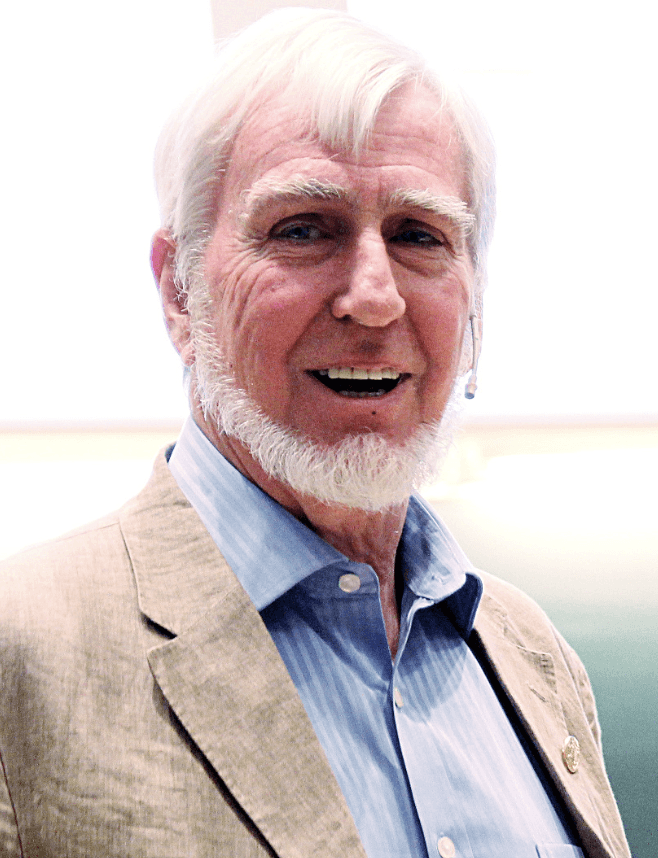 Professor John O’Keefe
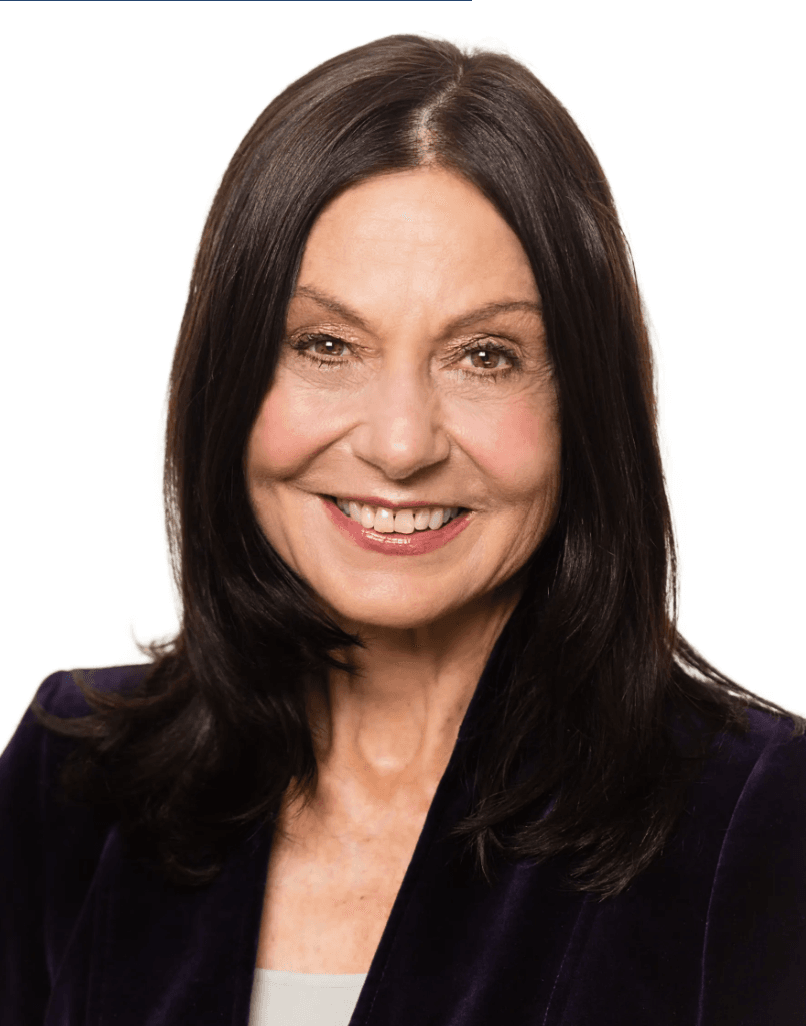 Professor Joy Hirsch
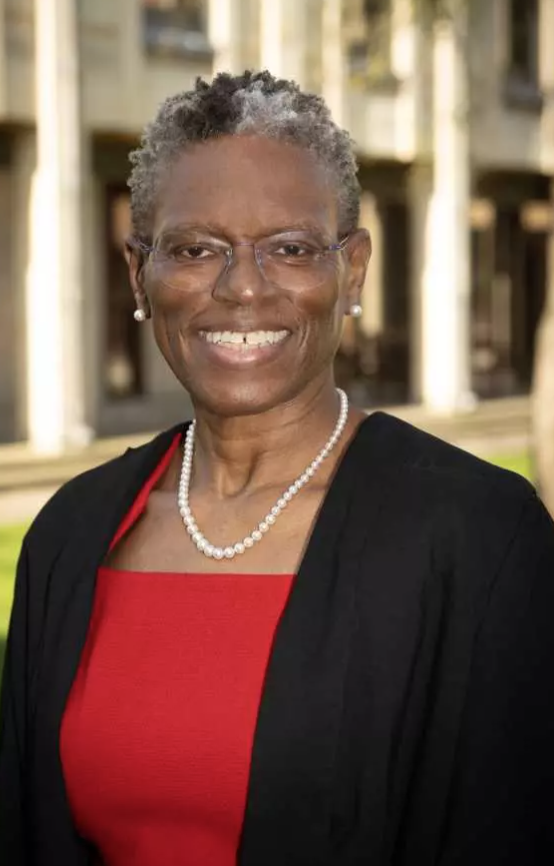 Professor Dame Ijeoma Uchegbu
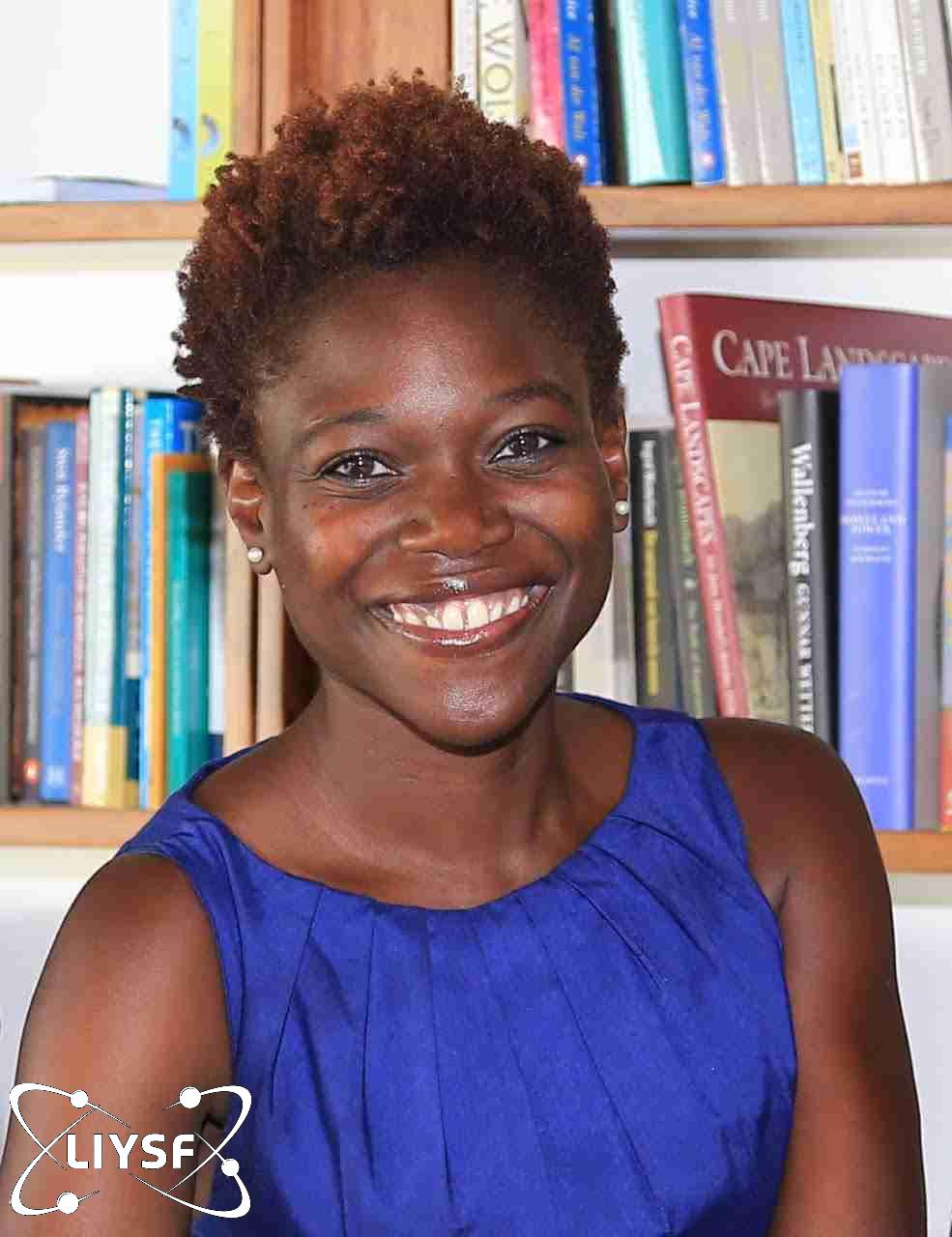 Professor Tolullah Oni
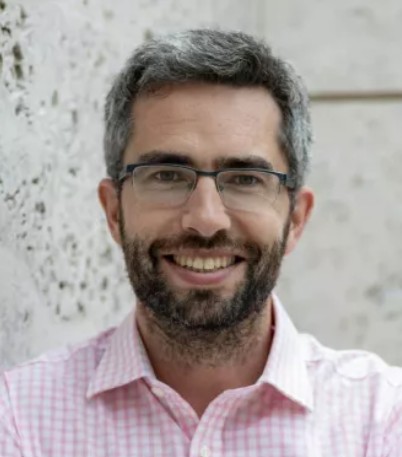 Professor John Morton
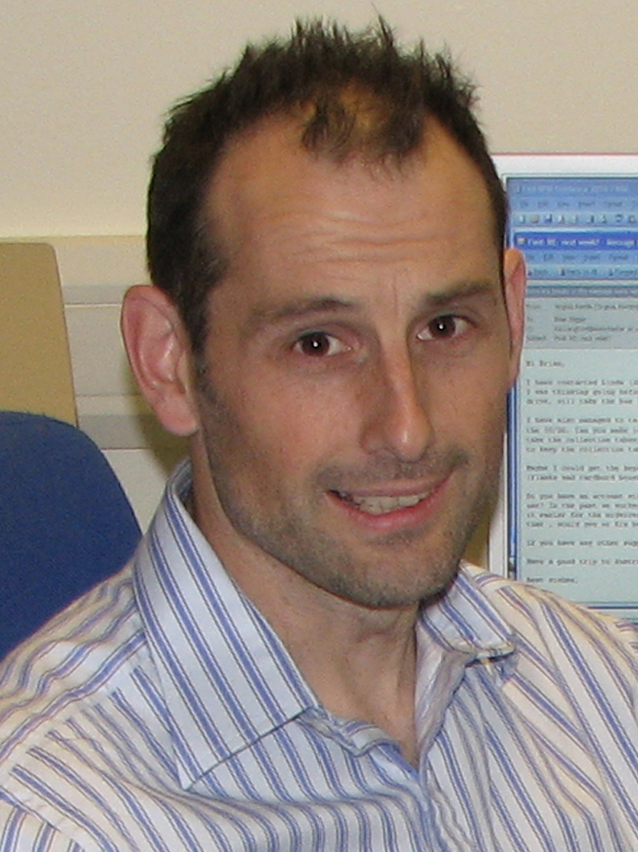 Professor Brian Bigger
 Dr Mark McCaughrean
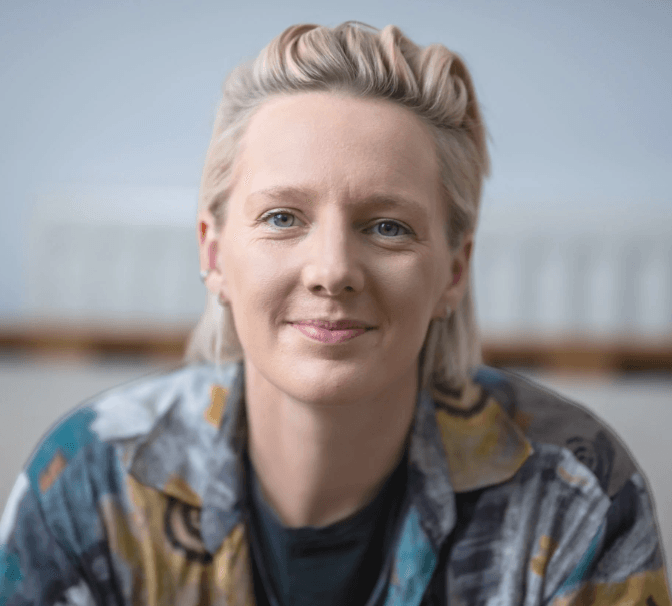 Dr Anna Ploszajski
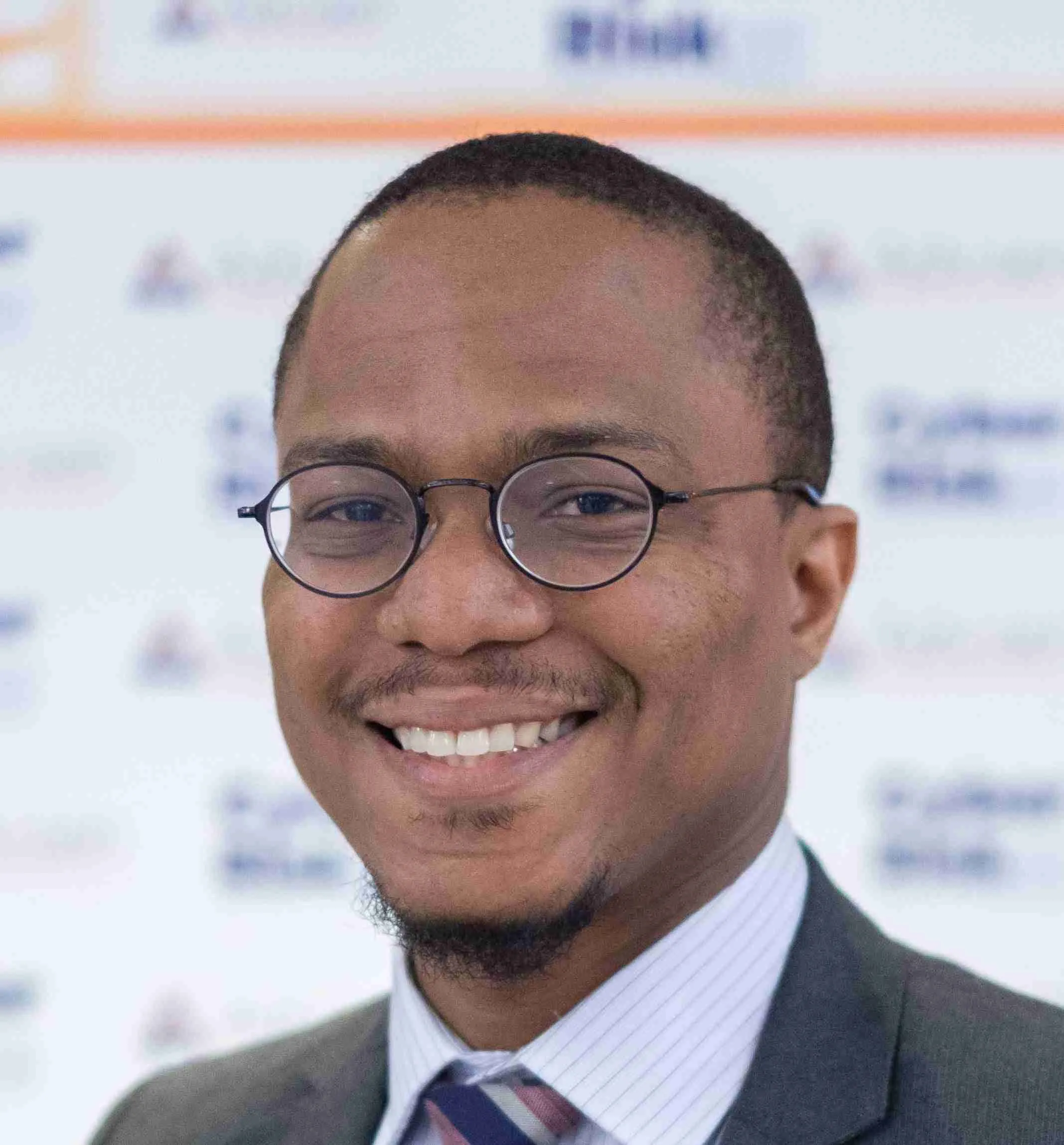 Dr. Jason Nurse
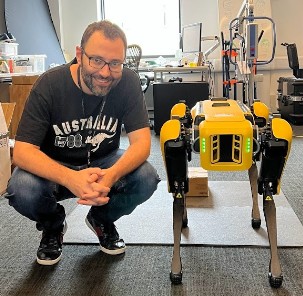 Dr Dimitrios Kanoulas
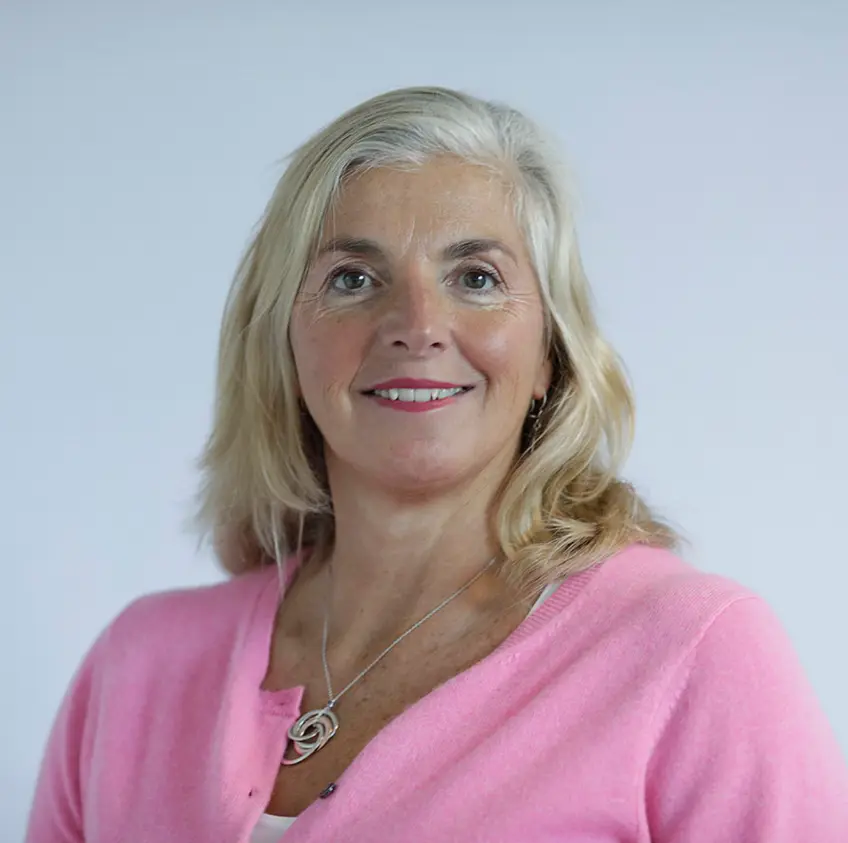 Professor Clare Elwell