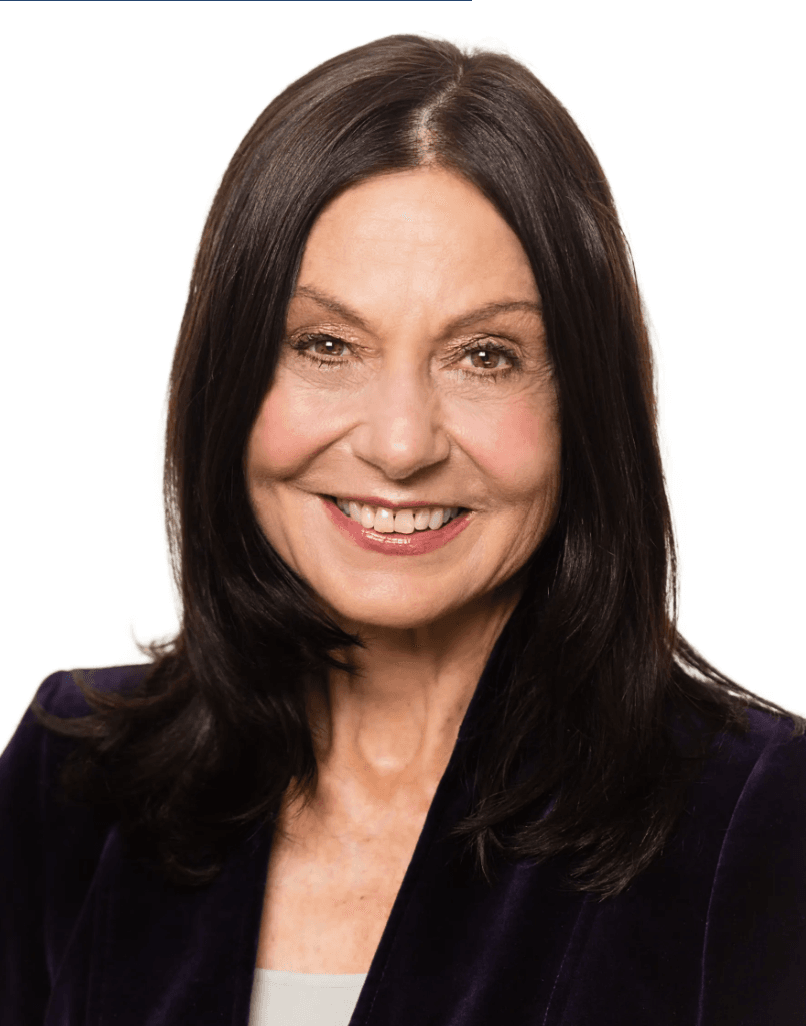
Professor Joy Hirsch is the Elizabeth Mears and House Jameson Professor of Psychiatry and Professor of Comparative Medicine and of Neuroscience at Yale University, School of Medicine, USA. She is also a Professor of Neuroscience at UCL.
She has pioneered many breakthroughs in understanding the workings of the human brain, and is one of the early developers of functional magnetic resonance imaging (fMRI), an imaging technique that enables the visualization of individual brain structures and large-scale neural networks that are engaged during specific tasks and cognitive processes. She has recently been recruited to Yale University to head a new Brain Function Laboratory leaving her previous position as Professor of Neuroscience at Columbia University where she was the Director and founder of the university-wide Functional MRI Research Center.
Her research on the human brain has focused on understanding principles of the relationships between the brain, mind, and behavior, and the translation of these advances to serve many medical applications. Examples of applications include the development of brain mapping procedures for neurosurgical planning that localize regions of brain specialized for important functions such as language, movement, vision, and hearing in order for neurosurgeons to protect those functions during procedures such as tumor resections. Her basic research has also made fundamental contributions to understanding the neural processes that mediate emotion such as fear and conflict and the control of those responses. These studies form the foundation for her continuing research interests in translations to medical conditions such as understanding the basis for anxiety disorders and treating strategies. Her research also includes clinical applications such as the development of an imaging diagnostic for autism (a recently issued U.S. patent), and isolation of neural mechanisms associated with obesity.
Professor Hirsch has published over 120 peer-reviewed scientific papers and chapters, is a popular world-wide lecturer on the brain, and served as a curator for the 2010-2011 Brain Exhibit at the American Museum of Natural History. She was awarded the prestigious Gamow Science prize in 2009 for her accomplishments in science and was one of the five top women scientists featured in the 2011 World Science Festival.
Dr. Hirsch joined Yale from Columbia and, before that, Memorial Sloan-Kettering Cancer Center and the Weill College of Medicine at Cornell University where she founded the fMRI laboratory and pioneered the introduction of brain-mapping procedures for neurosurgical planning. Using fMRI, her laboratory made fundamental contributions to the understanding of sensation and perception, language and the cognitive processes, and brain regions that are modified by specific drugs. These initial studies were built upon research done by Dr. Hirsch as a professor at Yale University School of Medicine, where she focused on the cortical mechanisms directly involved in human visual processing, serving as a foundation to connect the advantages of fMRI to ongoing and new research directions at Columbia University.
Hirsch is also a curator of The Brain: The Inside Story on view at the American Museum of Natural History.
Research in the Hirsch Lab at the Yale School of Medicine aims to understand the neural circuitry and fundamental mechanisms of the brain that enable human cognition, language, emotion, decision making, and perception in both healthy/typical individuals and in patients with neurological, developmental, and psychiatric disorders. While ongoing and previous fMRI studies focus on segregated and distributed neural processes within single individuals, the Brain Function Laboratory is also expanding the experimental paradigm from a single-brain frame-of-reference to a multi-brain frame-of-reference using near-infrared spectroscopy, NIRS. The investigation of neural complexes associated with dynamical brain-to-brain/person-to-person communications is largely unexplored. For these investigations, Blood-Oxygen-Level-Dependent, BOLD, signals acquired by NIRS; electroencephalographic, EEG, signals; and eye-tracking data are acquired simultaneously on multiple individuals using surface optodes and electrodes respectively. These neuroimaging measures are synchronized with eye-tracking and physiological measures obtained by head mounted cameras and physiological sensors. Models of dual-brain interactions are based on coherence between wavelets of signals originating from cross-brain pairs of regions. Advances build upon theoretical, technical, and methodological foundations of behavioral and functional neuroimaging studies in the laboratory, and open a novel window-of-opportunity to investigate the neural correlates of dynamic interactions between individuals under natural (ecologically valid) conditions.
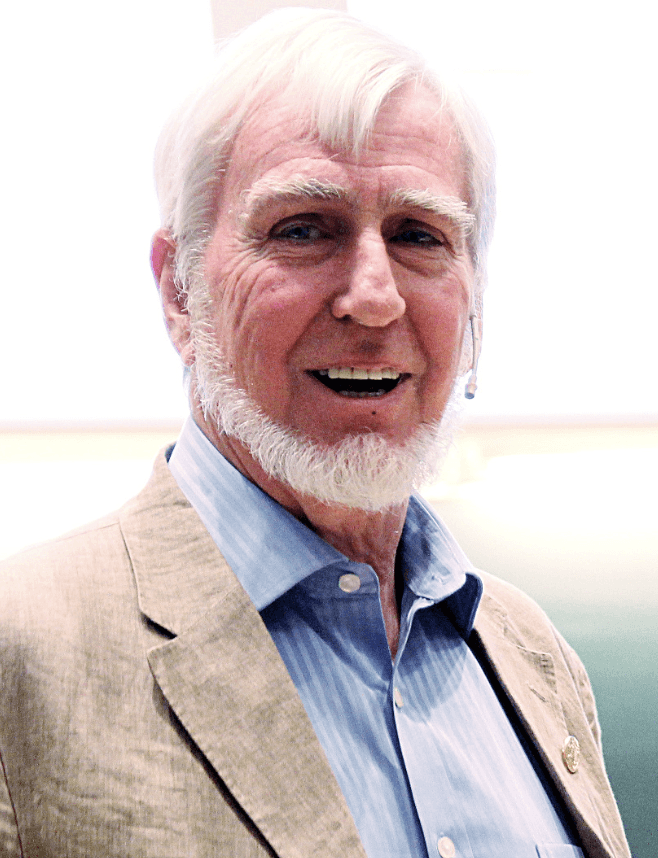 Professor John O’Keefe
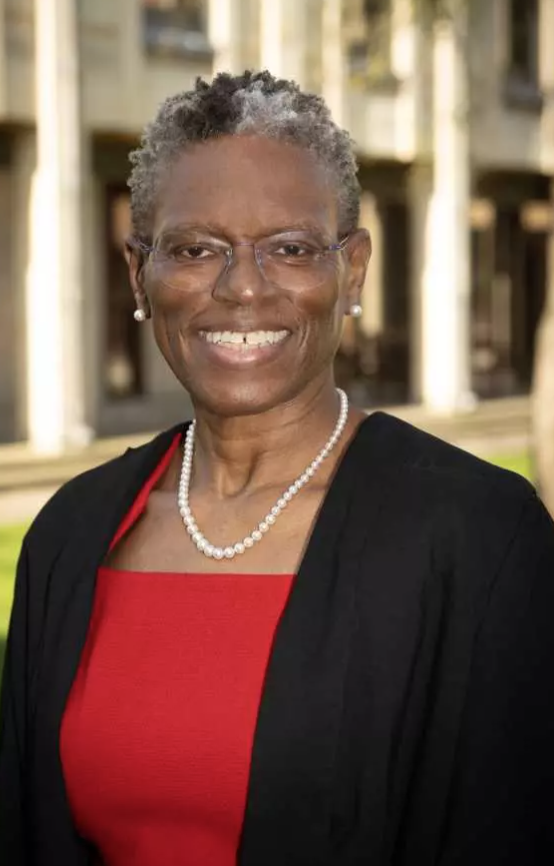 Professor Dame Ijeoma Uchegbu
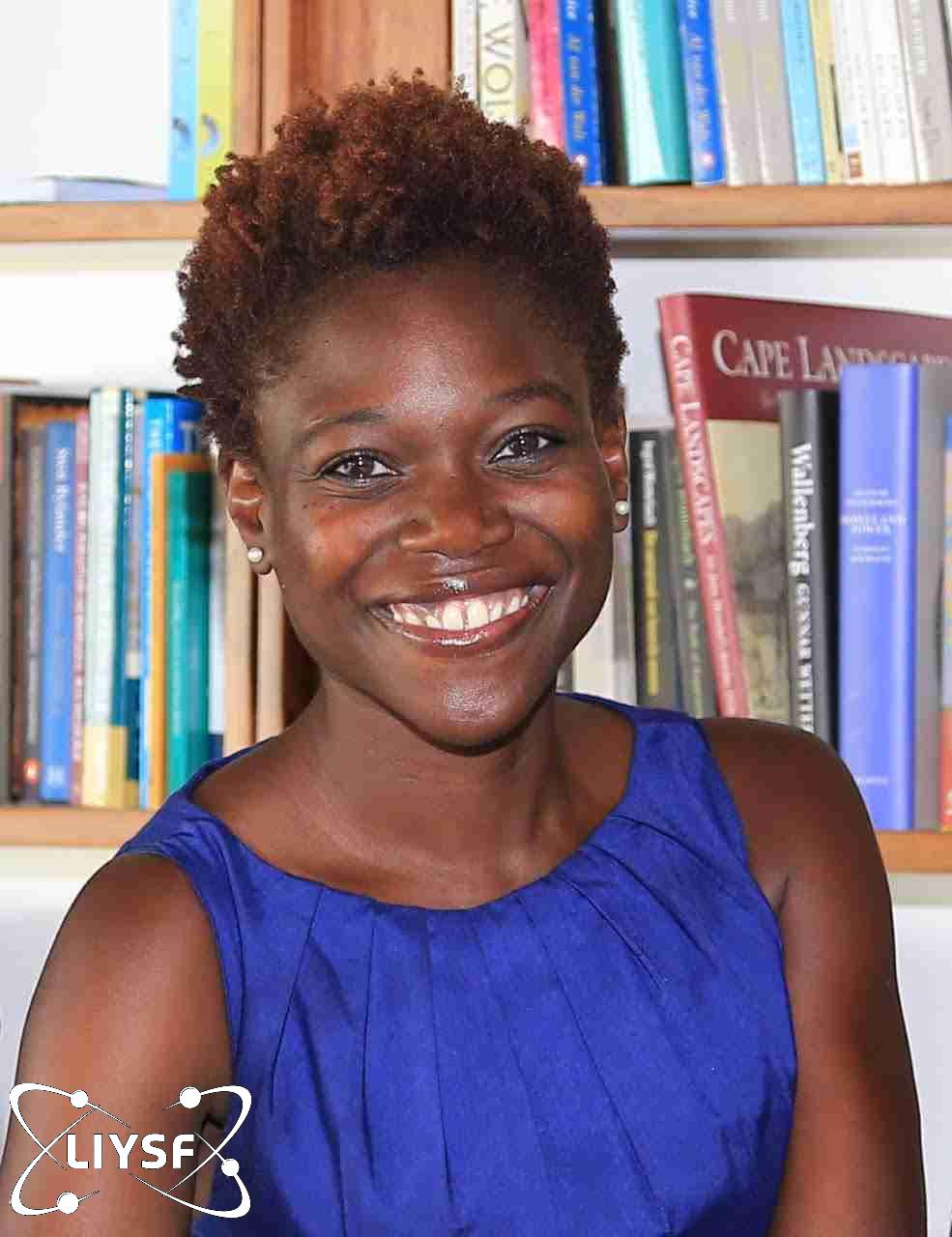 Professor Tolullah Oni
 Professor John Morton
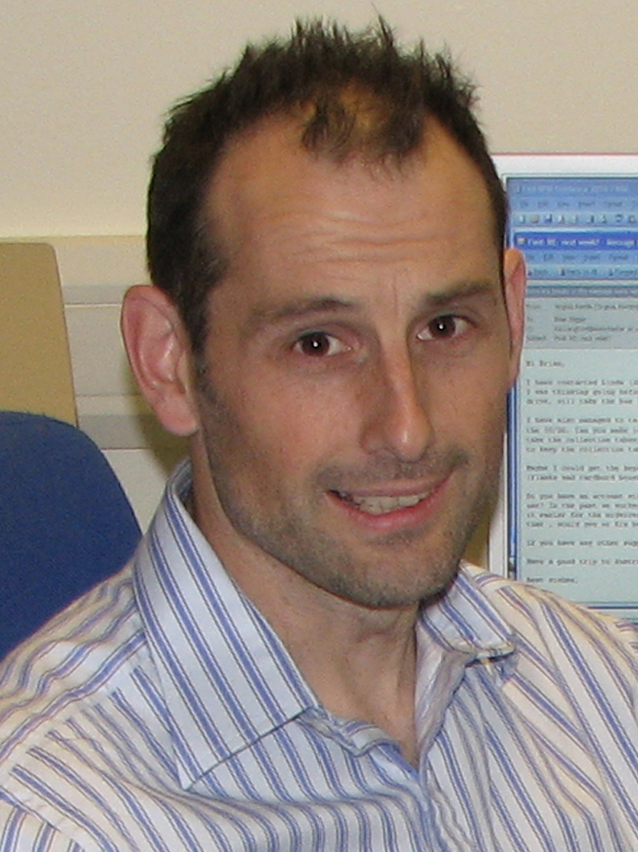 Professor Brian Bigger
 Professor Claire Carmalt
 Dr Mark McCaughrean
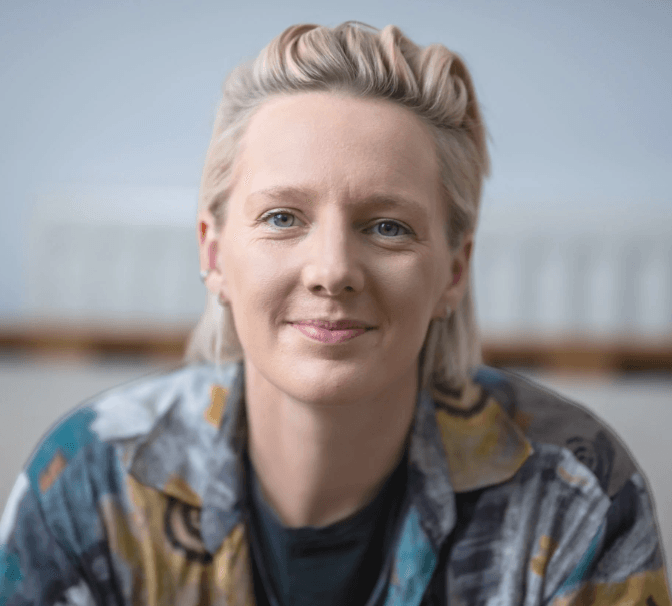 Dr Anna Ploszajski
 Dr. Jason Nurse
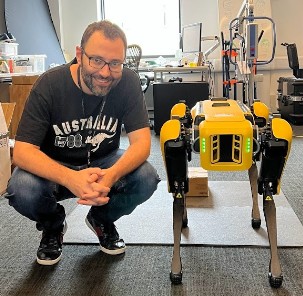 Dr Dimitrios Kanoulas
 Professor Clare Elwell