
Jason Osborne is a scientist, engineer, educator and STEM innovator whose career has been shaped by a lifelong curiosity about the natural world and a commitment to giving young people opportunities to experience genuine scientific discovery. He is currently Chief Business Officer at syGlass, a scientific and educational virtual reality company that enables researchers and students to explore complex scientific data in immersive 3D environments. Originally developed for scientific research, syGlass is now being used to give school students opportunities to work with authentic scientific datasets and research questions, including in neuroscience.
Jason's career has crossed an unusually broad range of disciplines. He has worked in aerospace, engineering, biomedical research, palaeontology, education and immersive technology, including projects connected with the Hubble Space Telescope and International Space Station. He spent more than nine years with the Howard Hughes Medical Institute as a mechanical engineer and scientific project strategist, has consulted for the US National Institutes of Health, and has worked with Beth Israel Deaconess Medical Center, a Harvard Medical School teaching hospital. He was also a Host Researcher for National Geographic's JASON Project and previously served for more than six years as Chief Innovation Officer for Ector County Independent School District in Texas, developing innovative STEM experiences for students and teachers.
Alongside his work in engineering and education, Jason is an accomplished amateur palaeontologist and citizen scientist. His field research and fossil discoveries have contributed to the identification of previously unknown prehistoric species, including a new genus and species of whale. His scientific adventures and work have been featured by organisations and media including National Geographic, Scientific American and the Discovery Channel.
In 2013, Jason was recognised by the White House Office of Science and Technology Policy as a Champion of Change for his contribution to increasing public engagement in science and science literacy. He also serves on the Board of the National Consortium of STEM Schools, supporting the development of STEM education and opportunities for young people.
At the heart of Jason's work is a belief that science should be something young people experience rather than simply learn about. From searching for fossils in rivers to developing technologies that allow students to step inside real scientific datasets, his career demonstrates where curiosity, persistence and a willingness to explore unexpected opportunities can lead.
For LIYSF students, his story is particularly relevant: a career in STEM does not have to follow a single discipline or a predetermined path. Jason's journey across engineering, space science, palaeontology, biotechnology, education and virtual reality shows how asking questions—and continuing to follow them—can open entirely new directions in science.
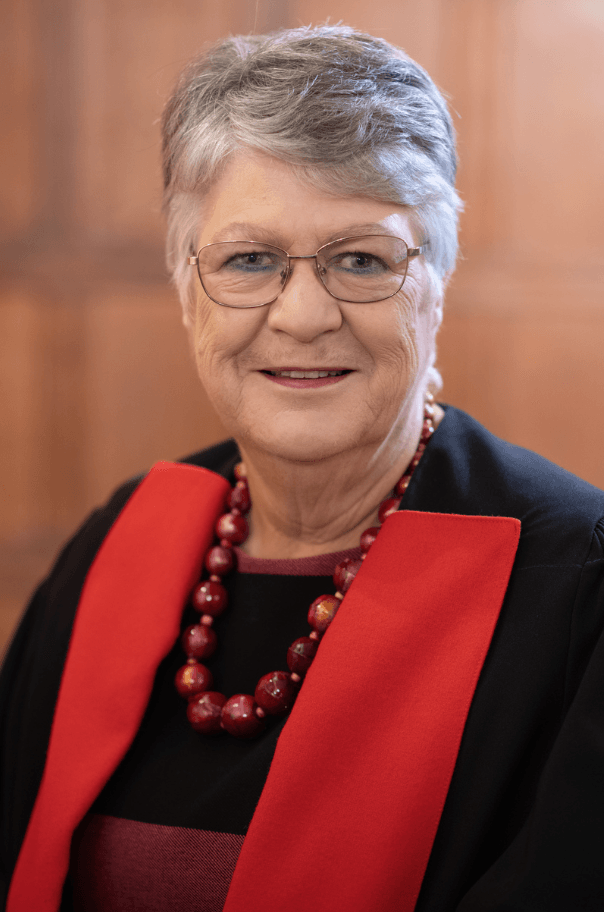 Professor Jane Clarke
 Dr. Jason Nurse
 Professor Clare Elwell