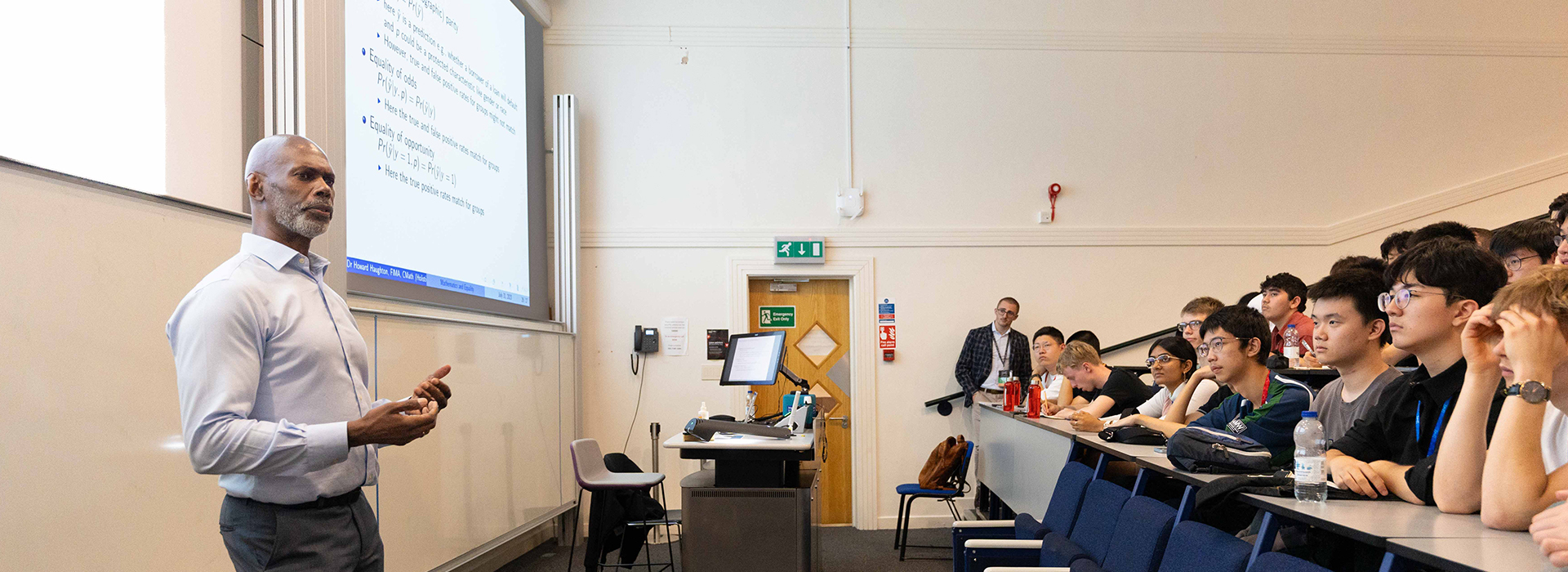
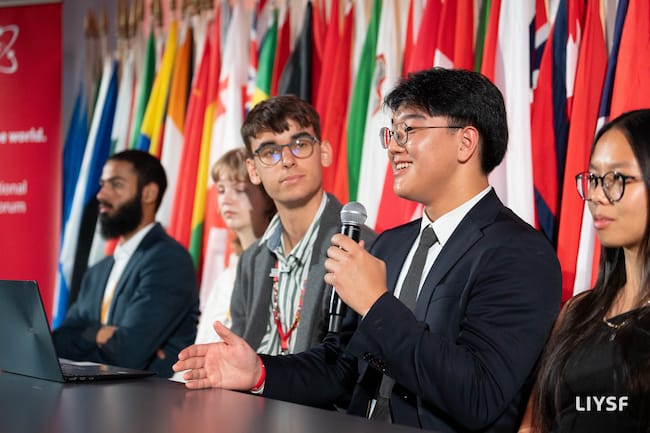
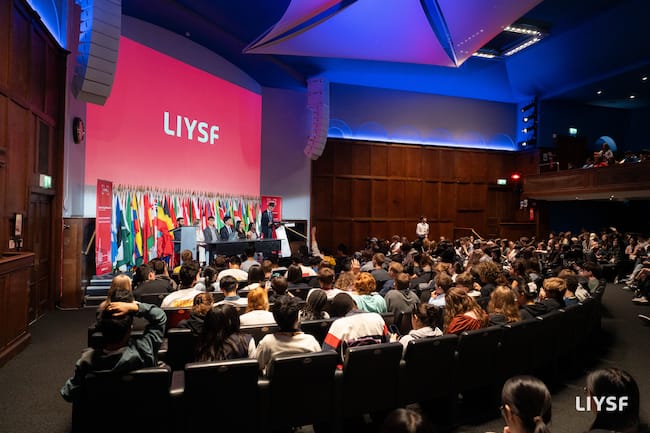
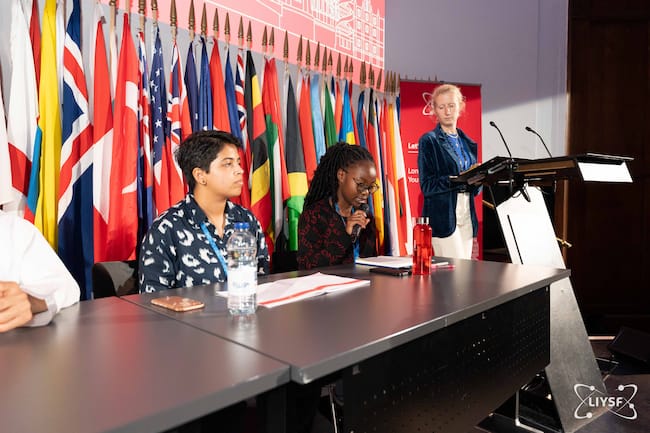
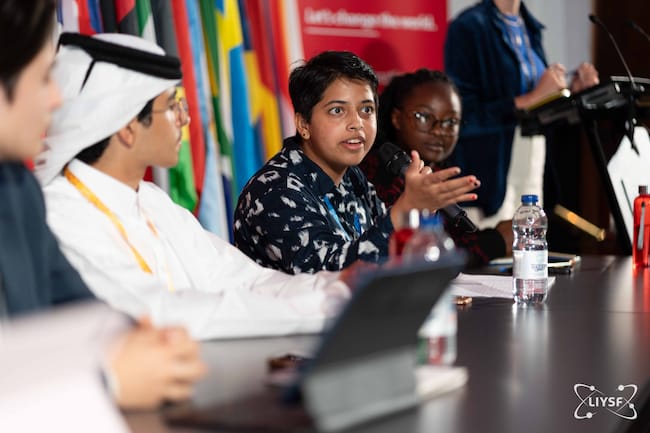
During LIYSF there are four subject specialist lecture sessions, where students have the option to choose from a wide range of topics and are able to tailor their programme to suit their STEM interests. On each day there are eight sessions to choose from, with leading researchers speaking across a range of topics.
Subject specialist lectures give participants the chance to benefit from a session that is much closer to the expert researcher, as the sessions are smaller than principal lectures, typically around 50-60 participants.
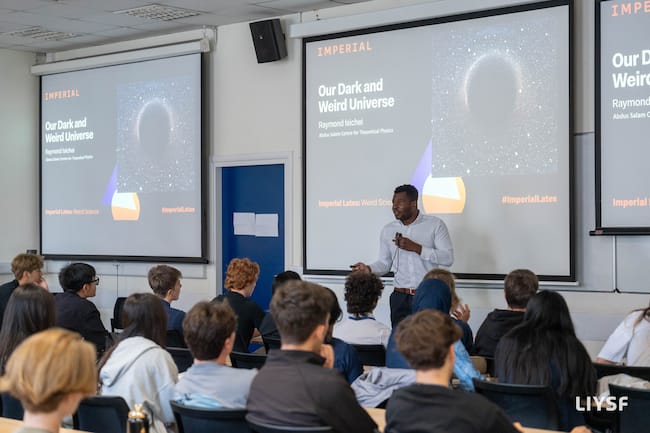
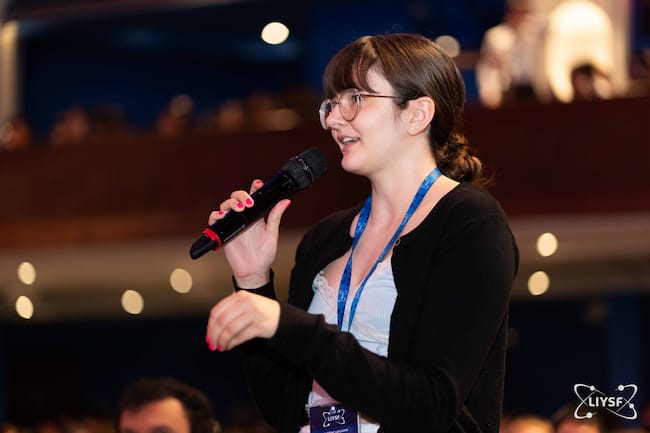
These smaller focused sessions are invaluable and allow for a wider range of questions and interaction. These specialist lectures are led by top scientists and researchers who are at the forefront of research, often doing the work themselves.
We have also introduced an Alumni specialist lecture day, where all speakers are former LIYSF participants who have gone on to be researchers, scientists and engineers.
During the programme we have one full day that is dedicated to our underlying theme each year. There are eight topics to choose from (ranging across STEM) – chosen during registration process by student. On the day, students meet for a plenary session and introduced to all speakers. Students then work for the remainder of the day with their chosen researcher/scientist, who will start the session by speaking about their work/research.
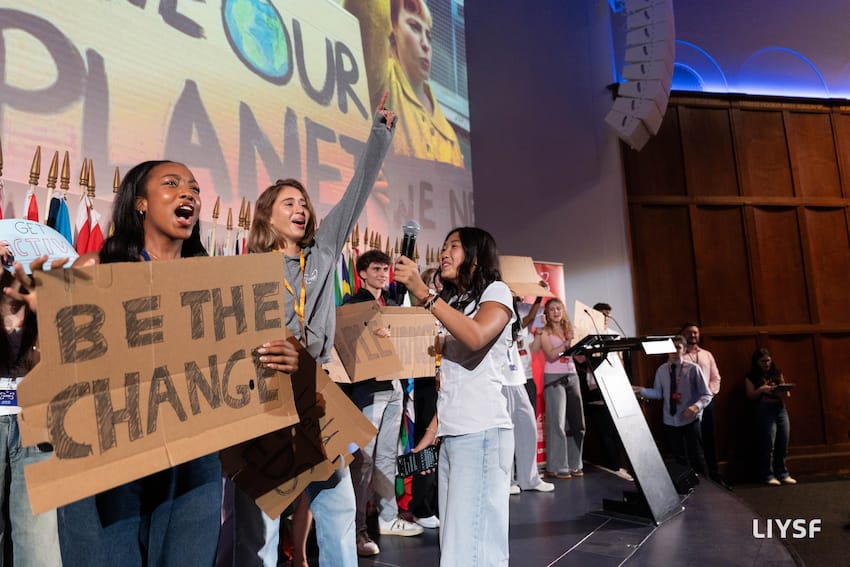
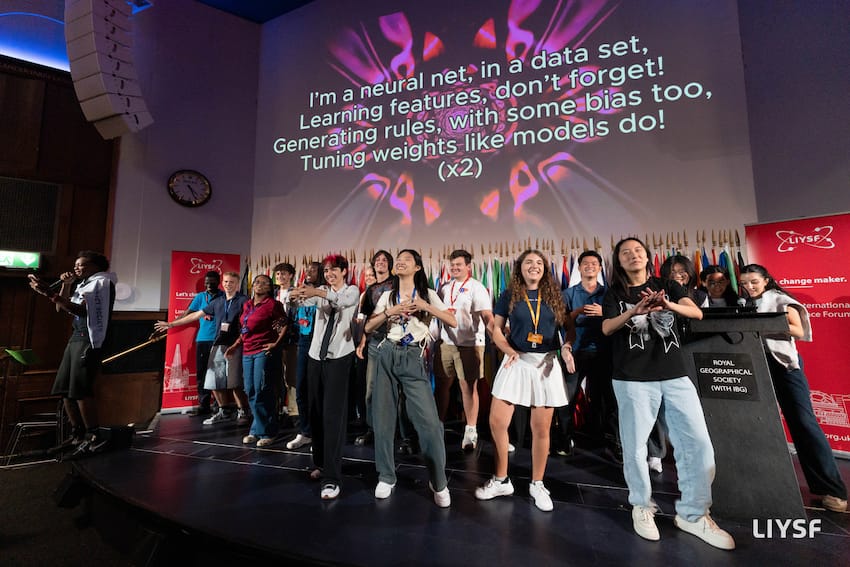
It is then up to each group (around 50 students) to put together a short presentation to be given by them to the rest of the plenary students about the topic, to highlight the research, challenges and ideas for the future. Students are encouraged to think creatively in expressing relevant information to the student body. Do see our videos on the right hand side of this page about our specialist lectures and specialist study days at LIYSF.
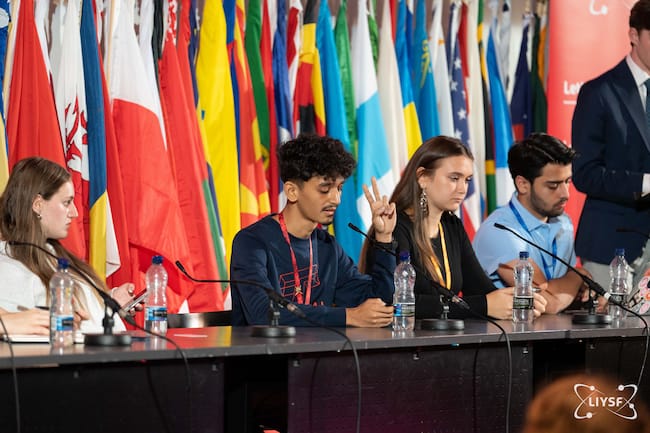
Debate is a vital part of the scientific world. Many problems are hugely complex and must be considered in social, economical and political context. Being able to express and challenge opinion will be vital in your scientific career, so hone your skills during LIYSF – we are very interested in your opinion and knowledge! During LIYSF there are two formal debate opportunities; We have the student debate evening and the Participants’ Forum.
Specialist Lectures
| Profile Image | Code | Lecture Title | Lecturer | Association | Lecture Description | Speaker Biography |
 | 22.1 | Taking The MYC Out Of Lymphoma | Dr Farhat Khanim | University of Birmingham | The MYC oncogene is a protein that regulates expression of 1000s of genes involved in essential processes such as cell metabolism, growth and death. MYC is mutated or dysregulated in >60% of all cancers. Despite this, there are no drugs targeting MYC. Dr Farhat Khanim and her team have identified an over-the-counter oral supplement that is able to rapidly switch off MYC expression and kill certain cancer cells, namely Burkitt Lymphoma (BL). BL is one of the most common childhood cancers in sub-Saharan Africa. In this talk, Dr Khanim will share the journey of this discovery and how her team is working to help children in Africa with BL. | Dr Farhat Khanim is a British-born Pakistani Muslim woman. She completed her PhD at the University of Birmingham and trained as a molecular and cellular cancer biologist. Her passion and the driving force behind her work is to identify affordable, effective treatments for cancers and diseases of unmet need, especially for (i) older, frailer patients who are often not eligible for intensive treatment, and (ii) paediatric cancers in low- and middle-income countries (LMICs). |
 | 22.2 | Extracellular Vesicles In Health & Disease Across The Animal Kingdom | Professor Sigrun Lange | University of Westminster | Extracellular Vesicles (EVs) are small membrane vesicles released from cells and are taken up by neighbouring cells. EVs play important roles in cellular communication, both in normal physiological processes, as well as in various disease processes through transport of proteins, RNAs and lipids. EV based cell-communication is conserved across phylogeny from bacteria to humans. EVs can be isolated from many different body fluids, including blood, saliva, tears, cerebrospinal fluid and milk, and they are therefore of great interest for biomarker discovery. This talk will discuss EV research in selected animal models of human disease and wildlife biology. | Sigrun Lange is Professor of Molecular Pathobiology at the University of Westminster, London. She completed a BSc in Biology and an MRes and PhD in Comparative Immunology at the University of Iceland in collaboration with the University of Oxford and University Hospital Basel, followed by postdoctoral research in regenerative medicine and neuroscience at University College London. Since 2016, she has led a cross-disciplinary research programme in Experimental Pathology focused on extracellular vesicles and post-translational modifications, with particular interest in animal models with unusual regenerative and immunological traits to inform human health and therapeutic development. She is a member of the MISEV board and a Fellow of both the Royal Society of Biology and the Linnean Society. |
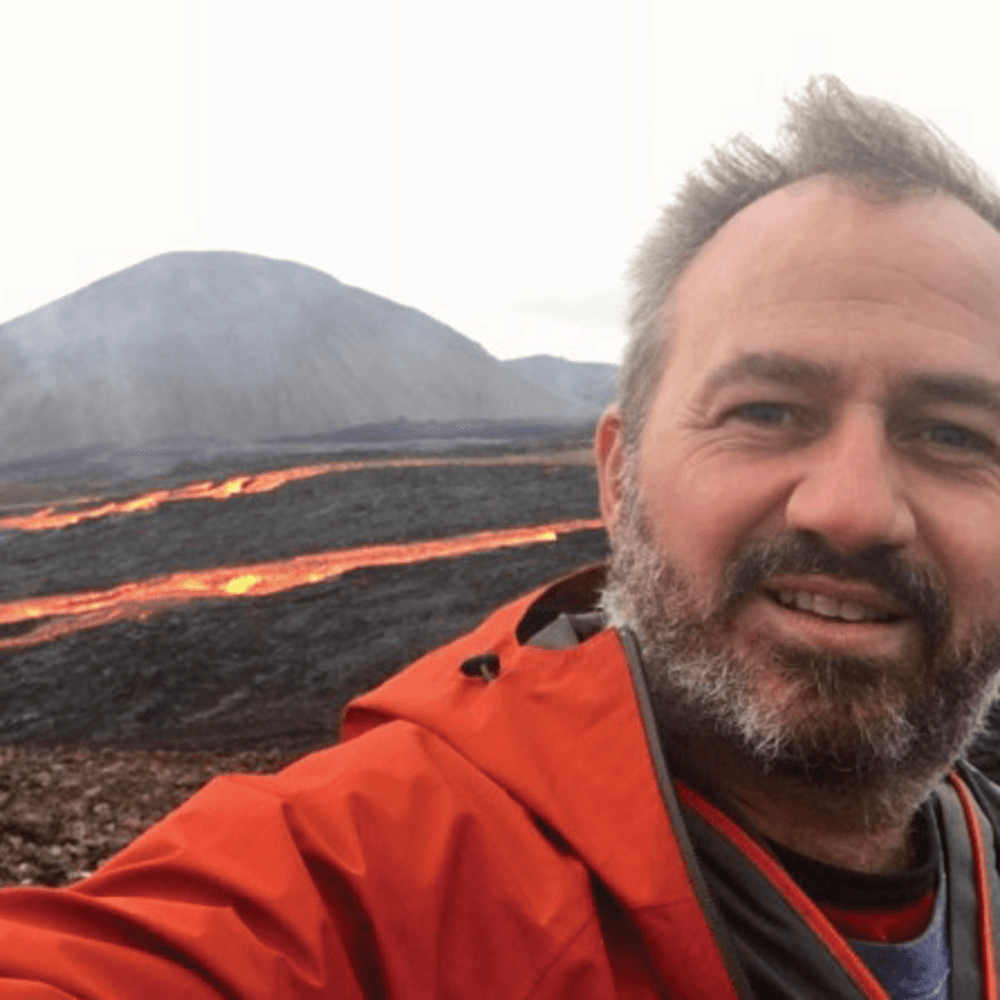 | 22.3 | Bubbles And Bangs The Physics Of Volcanic Eruptions | Dr Ed Llewellin | Durham University | Volcanic eruptions are spectacular, fascinating and diverse. Some produce explosions that blast many cubic kilometres of rock into the stratosphere and cause regional devastation. Others produce fountains and rivers of lava that create dramatic natural tourist attractions. Many do no more than quietly release gas into the atmosphere. Despite this diversity of eruptive style, all volcanic eruptions are driven by the same fundamental mechanism – the formation and growth of bubbles of magmatic gas. So why do some volcanoes explode violently, whilst others bubble quietly? Answering this question is one of the key goals of physical volcanology. In this talk, Professor Ed Llewellin will show how laboratory experiments at a range of scales combine with fieldwork and numerical modelling to help us understand the fascinating physics of volcanic eruptions. | Ed Llewellin is Professor of Volcanology at Durham University and was a participant in LIYSF 1992. After reading Natural Sciences at Cambridge University, Ed undertook his doctoral research in Physical Volcanology at Bristol University. His research combines laboratory experiments, numerical modelling and fieldwork to understand how and why volcanoes erupt. |
 | 22.4 | What Type Of Innovator Are You? | Ada Adeyemi Nwadigo | Eng Trepreneur & HS2 | This lecture details different types of innovators, helping students understand that innovation is not limited to one path, one background, or one way of thinking. The lecture encourages young people to recognise that innovation begins with how they think, the problems they notice, and the courage they have to create change. By exploring different innovation styles, students will be encouraged to discover their own strengths and understand how they can use their ideas to make a positive impact. Through sharing her personal journey, from growing up in Nigeria to becoming a recognised engineer, Ada hopes to show young people that their background does not limit their potential. Her story is a reminder that bold ideas can come from anywhere, and that every young person has the power to think differently, solve problems, and help shape a better world. | Ada Nwadigo is an award-winning civil engineer, entrepreneur, author, and innovation advocate dedicated to inspiring the next generation of engineers and leaders. She is the founder of Eng Trepreneur, a platform empowering young people and professionals through engineering, innovation, leadership, and entrepreneurship. As a STEM ambassador and experienced engineer on major infrastructure projects, she promotes STEM as a tool for solving real-world problems and driving meaningful change. She is also the author of A-Z of STEM: Innovation Edition and The SHE-E-OH Mindset. |
 | 22.5 | Project Earth: How Can We Support You To Change The World | Professor Becky Parker | Queen Mary University | Project Earth empowers and supports young people to innovate to help tackle the climate and biodiversity crisis. We offer advice to bring your ideas to fruition and to showcase your phenomenal creativity. We are affiliated to the Earthshot Prize and supported by a brilliant group of 125 expert advisors. In June 2026 Project Earth hosted ‘Pitch for the Planet’ at the Royal Institution. This was an opportunity for students from across the world to pitch ideas to an audience of investors, advisors and special guests. The event was so successful, and demand was so high, that we are expanding to have similar events across the world. | Becky is Visiting Professor in the School of Physics and Astronomy at Queen Mary, University of London, teaches and is Director of Project Earth, a charity supporting young people around the world to innovate for the planet (www.projectearth.global). She has helped students flourish in research in particle physics and space science but is now focused on amplifying their innovative contributions to tackling climate change. Becky was awarded an MBE in 2008. |
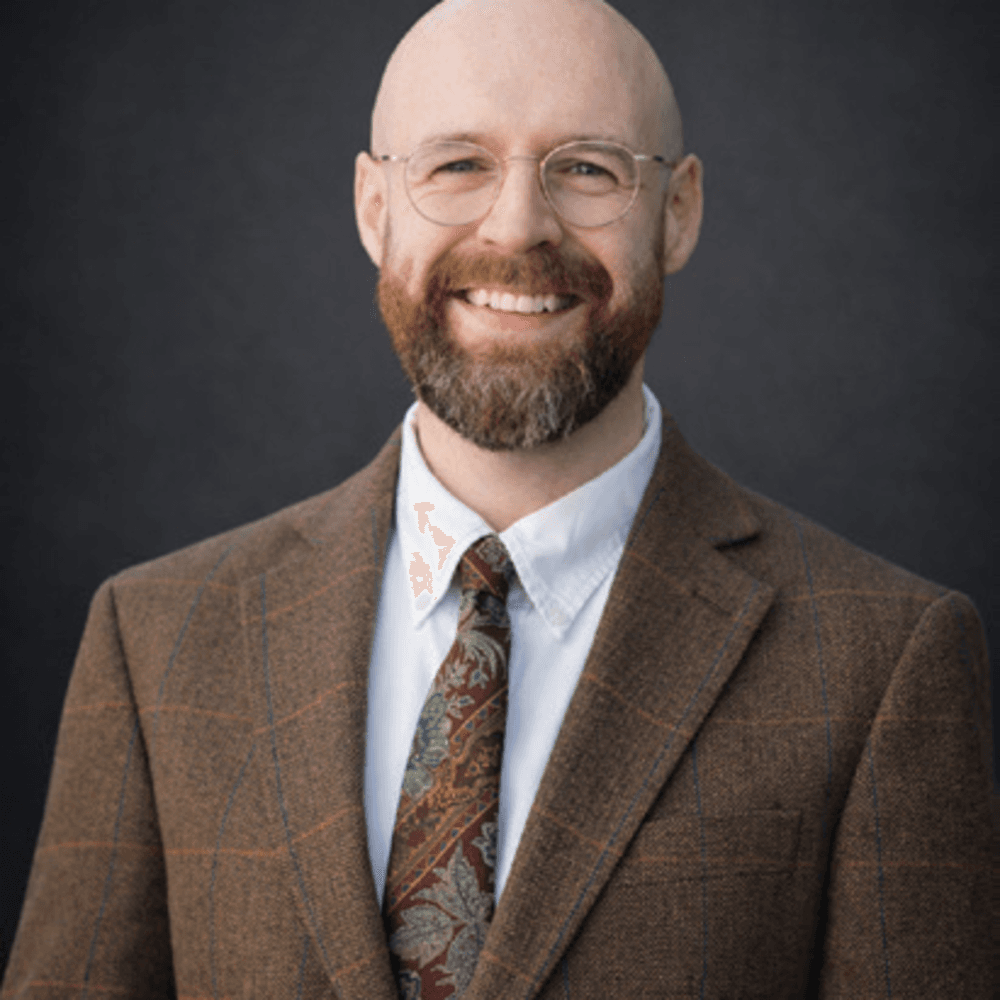 | 22.6 | Unravelling The Mysteries Of Mental Illness | Dr Thomas Reilly | University of Oxford | Despite recent advances in medical science, genetics, and neuroscience, mental illness remains largely mysterious. Most of our treatments were first discovered, serendipitously, around 70 years ago. Are we now getting closer to understanding the mechanisms that drive mental disorders, and to developing genuinely novel treatments? This lecture offers a realistic but hopeful overview of the current psychiatric landscape, highlighting what we know, what remains uncertain, and where meaningful breakthroughs may emerge. | Dr Thomas Reilly studied Medicine at the University of Aberdeen before completing foundation training in Glasgow and specialist training in Psychiatry in London. Observing that many female patients' symptoms worsened with hormonal fluctuations, he undertook a DPhil (PhD) at the University of Oxford investigating the role of the menstrual cycle in psychosis. He will shortly take up a position as a clinical-academic Consultant Psychiatrist at Imperial College London. |
 | 22.7 | Anatomy: Don'T We Already Know Everything? | Professor Michelle Spear | University of Bristol | Anatomy is often imagined as one of the oldest and most complete sciences: a subject mapped, labelled and finished centuries ago. Yet the human body continues to surprise us. This lecture explores why anatomy remains a living discipline, from newly described structures and overlooked variations to the ways technology, surgery, imaging and diverse bodies are reshaping what we think we know. It will ask how anatomical knowledge is made, why some bodies have historically been treated as “standard” and others as exceptions, and why understanding human variation matters for science, medicine and society. | Professor Michelle Spear is Professor of Anatomy and Head of Department at the University of Bristol. She leads anatomy education across medical, dental, veterinary and science programmes, and has particular interests in human variation, anatomical history and public engagement. Her research focuses on reverse translational anatomy and human variation. She is also a widely published popular science writer, exploring the body, the brain and the science behind everyday experiences. |
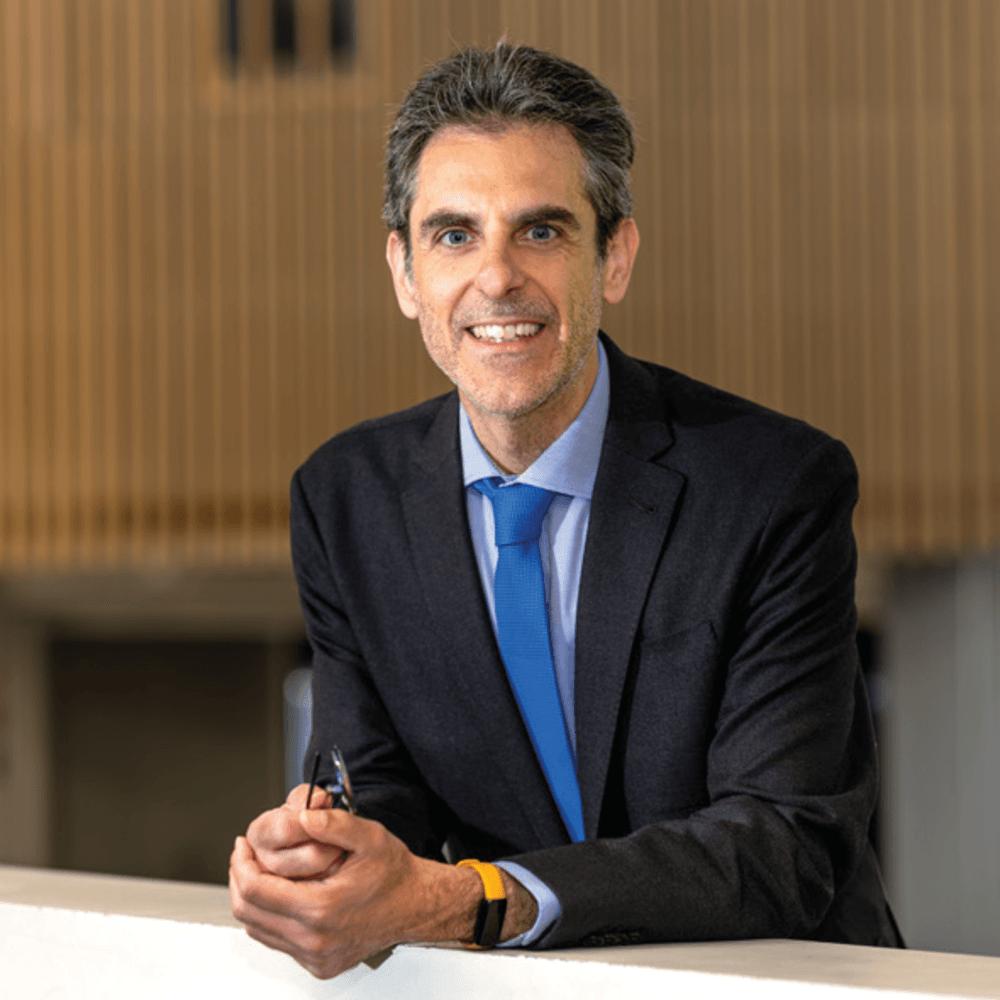 | 22.8 | The Language Of Music In A Scientific World | Dr Domenico Vicinanza | Anglia Ruskin University | Music is a richly structured language, and since the Renaissance, composers have explored deep connections between sound, mathematics and the natural world. From Bach's symmetry to Mozart's cycles, music has long served as a bridge between artistic intuition and scientific thinking. In this talk, Domenico Vicinanza explores music as a way to communicate science, connecting art and technology. He demonstrates how he has worked with NASA, CERN and Yellowstone National Park to turn scientific data into melodies, harmonies and soundscapes. Through musical stories, live demonstrations and video examples, students will listen to science in a new way and discover how art and technology can work together to make complex ideas resonate. | Domenico Vicinanza is Associate Professor of Intelligent Systems and Data Science at Anglia Ruskin University, Senior Research Engagement Manager at GÉANT, a science journalist and a composer specialising in data sonification. His work explores the intersection of science, technology and music, transforming complex scientific data into sound and musical structures. He has collaborated with organisations including NASA, CERN and Yellowstone National Park, and regularly writes and speaks about science, technology and creativity for public audiences. |
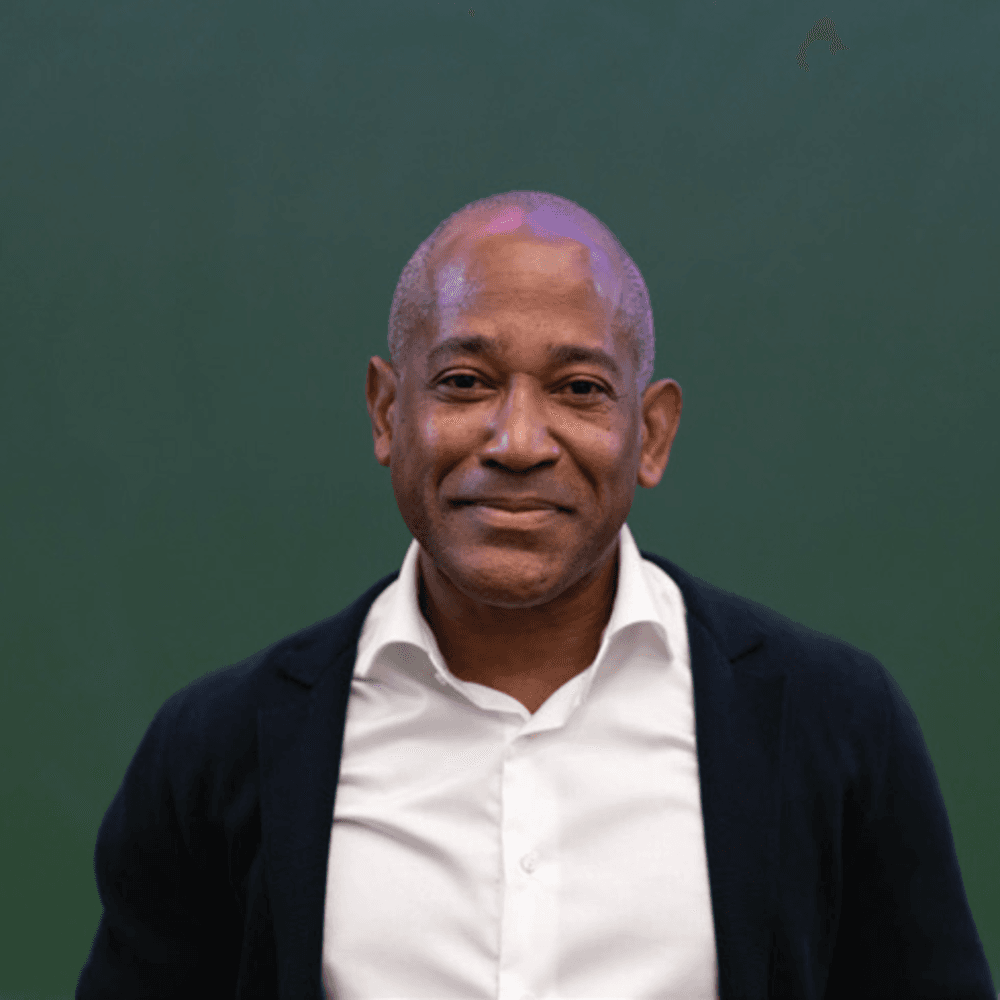 | 27.1 | The Impact Of Hydrogen Fuel Technology | Maurice Brown – LIYSF 1986 | Utrecht University, The Netherlands | The Hydrogen fuel cell has been around since 1839. This relatively obscure, but highly valued technology, helped power the United States Space Programme from the 1960s and still today. The technology holds great promise, as it presents a real alternative to fossil fuel energy. However, the industry will face a tough future. Promoters of this energy source must master the learning curve of the energy industry, if it is to become a feasible alternative. How does this technology work, what are its applications and what problems does it face as an industry? | Maurice Brown is from Kingston, Jamaica, studying at Campion College and the College of Arts Science and Technology. He moved to the Netherlands in 1994 and completed his Bachelor's degree in International Business Administration and Master's Degree in Business Management. He became a consultant to the aviation industry and later, held financial positions in various international companies. Currently, he is a lecturer in Finance and Business Strategy at the University of Applied Sciences, Utrecht, (Netherlands) and is owner of a small company looking into promoting and exporting to developing countries. |
 | 27.2 | Complexity Science: The Study Of Emergent Behaviours | Enrico Caprioglio – LIYSF 2016 | University of Sussex | Complex systems are characterised by collective properties that transcend those of their individual components. In other words, “the whole is greater than the sum of its parts.” In this lecture, Enrico Caprioglio will introduce the fundamentals of information theory—entropy and mutual information—and recent advancements that attempt to formalise the concept of emergence. This novel framework defines synergistic information: higher-order statistical interdependencies that arise exclusively at the collective level. The lecture will include some typical examples of this, how a detective can use synergistic information to solve murder cases, and how the human brain displays intricate emergent patterns of neuronal activity. | Enrico Caprioglio was born in Italy and, after participating in the 2016 LIYSF, he moved to the UK to study Physics. He earned his theoretical physics undergraduate and master's degrees at UCL and Imperial College London, where he specialised in quantum information theory and the theory of complexity. During these years, he returned to LIYSF as a staff member for 6 years, and co-authored a Classical Mechanics textbook published by the Institute of Physics. He is now finishing his PhD at the University of Sussex, where he uses complexity theory and computational modelling to try to understand brain function and organisation. |
 | 27.3 | Photonics Solutions To Transform The Brain | Professor Clare Elwell – LIYSF 1984 | University College London (UCL) | Recent advances in neuroimaging have revolutionised how we study the human brain. One key innovation is near infrared spectroscopy, or NIRS: a portable, wearable and affordable optical method for imaging brain activity. In this lecture, Professor Clare Elwell will highlight how NIRS enables studies of brain oxygen metabolism in both infants and adults, supporting research into early autism markers and brain development. Its success in resource-limited settings has also established NIRS as a powerful tool in global health. Alongside these breakthroughs, Clare will explore the ethical considerations raised by the increasing accessibility of brain imaging and the data it generates. She will also discuss the important role of medical physicists in ensuring neuroimaging is used responsibly, both in clinical and international research contexts. | Clare Elwell is Professor of Medical Physics at University College London and Vice Dean for Impact at UCL Engineering. She develops optical brain imaging tools, with projects spanning infant development, autism, migraine and global health. She leads the BRIGHT project, which produced the first infant brain scans in Africa, and received a Brocher Foundation Fellowship in 2023 for her work on ethical neuroimaging. Clare is Past President of two major scientific societies and currently leads the London International Youth Science Forum. A Fellow of the Institute of Physics and the Royal Society for Arts, she also served as a British Science Association Media Fellow at the Financial Times. She founded the charity Young Scientists for Africa and in 2024 directed the UCL Festival of Engineering, which attracted over 10,000 attendees from industry, government and education. |
 | 27.4 | Born Protected: The Science Of Maternal Immunity Transfer | Dr Émer Hickey – LIYSF 2014 | University of Exeter | Have you ever wondered how newborns are protected from infections right after birth? As placental mammals, pregnant women and their foetuses share an incredible connection during pregnancy, allowing the transfer of vital immune components. This fascinating process doesn't stop at birth; it continues through breastfeeding, providing newborns with crucial protection while their own immune systems are still developing. In this session, you will discover how immunity is transferred from mother to child during pregnancy and nursing. We'll dive into the transfer of immune cells, explore the intriguing development of microchimerism, and discuss how these processes help control infections in early life. Additionally, we will examine the emerging role of maternal vaccinations in extending neonatal immunity. | Dr Émer Hickey is a Postdoctoral Research Fellow at the MRC Centre for Medical Mycology at the University of Exeter. Her research in the Horsnell Group focuses on maternal immunity and its impact on mucosal infections caused by fungi, helminths, and bacteria. Émer first attended LIYSF as a student in 2014, where her interest in science flourished. She later returned as a staff member, serving as Chief of Staff from 2019 to 2023, and now continues to contribute as a Scientific Advisor. In 2013, she won the BT Young Scientist and Technology Exhibition with her team, who went on to represent Ireland at the European Union Contest for Young Scientists and the Google Science Fair, securing first place in both competitions. She was also recognised by TIME magazine as one of the most influential teenagers globally. |
 | 27.5 | Future-Proofing Our Planet: The Rise Of Industrial Climatetech | Simran Mohnani – LIYSF 2013 | Stanford Climate Ventures | Climate intrapreneurship is about exploring alternative models to entrepreneurship; building green solutions in-house within a company's corporate venture labs, otherwise known as the 'innovation arm of the business'. Join Simran as she discusses how to build climate inventions, prototypes, MVPs (minimum viable products) and ventures by bringing together industry, academia and startups to decarbonise high-emitting sectors. Simran has worked across the innovation lifecycle: from designing bioreactors for cultured meat in R&D labs, to automating chocolate-cooling at the Cadbury chocolate factory, and digitising COVID-19 vaccine manufacturing to make factories go 'paperless'. Many of these are first-of-a-kind inventions that require ecosystem approaches across industry, startups and academia e.g. creating the first digital traceability passport for EU medicines, or the UK's first reverse supply chain for textiles! Simran's lecture will cover novel examples of industrial climatetech in our pursuit of NetZero and how to build industrial green innovation at different scales. | Simran is a Chemical Engineer and ClimateTech intrapreneur currently pursuing an MBA at Stanford Graduate School of Business. Originally from Malta, she focuses on developing first-of-a-kind solutions to reimagine manufacturing and energy systems for a more sustainable future. She has worked across R&D, process engineering, consulting, and venture capital on innovations in cultured meat, food production, and vaccine manufacturing. She was Malta's 2013 LIYSF delegate and has been recognised as a TechWomen100 honouree, JCI Malta Top 10 Under 40, Fulbright scholar, and World Economic Forum Global Shaper, and will serve as the UK Youth Delegate to COP31. |
 | 27.6 | Seeing Differently: Treating Eye Disease By Changing Biology | Helen Peregrine – LIYSF 2009 | East Sussex Healthcare NHS Trust | How do we treat disease in one of the most delicate and complex organs in the body? Starting with hands-on demonstrations, this session explores how eye diseases affect vision in conditions such as glaucoma, keratoconus, and age-related macular degeneration. We will then examine the science behind modern treatments developed in recent years, including selective laser trabeculoplasty, corneal cross-linking, and anti VEGF therapy. Focusing on how we modify biological systems rather than replace them, this session connects fundamental science with real-world clinical practice. | Helen Peregrine BSc (Hons) MCOptom DipTP(IP) Higher Cert Glauc. Helen is Head of Optometry at East Sussex Healthcare NHS Trust, where she leads a team delivering specialist ophthalmic care across glaucoma, cornea, medical retina, eye casualty, and laser services. She studied Optometry and Vision Sciences at Cardiff University and trained at Oxford Eye Hospital, before completing further postgraduate qualifications in ophthalmology. Helen has a strong interest in direct patient care and training clinicians. She first attended LIYSF as a student in 2009 and returned in subsequent years as Counsellor and Chief of Counsellors. Outside work, she has led charity eye care projects in Moldova and enjoys living by the sea. |
| 27.7 | The Quantum Handshake: How Does Nature Connect Galaxies, Cells & Magnets? | Dr Pius Theiler – LIYSF 2012 | TU Vienna, Austria | Have you ever wondered why nature chooses sides? From the structures of the universe to the biological materials around us, nature relies on handedness (chirality). This lecture explores a research frontier where biochemistry meets quantum physics: Chirality-Induced Spin Selectivity (CISS). CISS is a striking phenomenon where electron spin uniquely interacts with twisted material structures. Remarkably, this allows organic molecules to sort quantum spins at room temperature without actual magnets. This unexpected trick might hold the key to understanding the beginning of life, rewriting the future of renewable energy, and unlocking an entirely new tuning knob for quantum technology. Using nanoscale tools like mechanical resonators, we will dive into an experimental mystery where laboratory results dramatically challenge our best theoretical models. This lecture introduces these deep mysteries and offers a glimpse at some answers you won't find in any textbook. | Raised in the Swiss Alps, Pius Theiler began his science journey with an award-winning climbing safety invention at the Swiss Youth in Science competition, later attending the London International Youth Science Forum in 2012. He studied mechanical engineering and physics at EPFL, followed by Micro-and Nanosystems at ETH Zurich, completing a master's thesis at MIT and a doctorate on the quantum capacitance of chiral molecules. He has since conducted postdoctoral research on chirality-induced spin phenomena and is currently an OeAW USA-Apart fellow at TU Vienna, using mechanical resonators to study interactions between chirality and spin. | |
 | 27.8 | Caught After The Kiss: Tracking Cell Interactions With Lipstic | Natalija Vujacic – LIYSF 2018 | Francis Crick Institute | Immune cells constantly communicate through brief, dynamic encounters that shape our body's response to infection, cancer, and disease. But how can scientists identify which cells have interacted once those encounters are over? Traditional approaches, such as intravital microscopy, rely on proximity as a surrogate for cellular contact and provide limited information about the molecular interactions involved. In 2018, LIPSTIC (Labeling Immune Partnerships by SorTagging Intercellular Contacts) was published, enabling researchers to capture bona fide “kiss-and-run” interactions between immune cells, in vivo. Natalija is harnessing this technology in her PhD research to investigate how PD-1-mediated signalling drives immunosuppression during cancer progression. | From Buenos Aires, Argentina, Natalija moved to the UK in 2019 to pursue an undergraduate degree in Biochemistry at the University of Bristol. Her thesis focused on bacterial immunity: restriction-modification systems; work that solidified her passion for research. She entered the field of human immunology in the lab of Laura Rivino where she worked on uncovering molecular mechanisms involved in severe dengue pathogenesis. In 2024 she began a PhD under Aleksey Chudnovskiy at the Francis Crick Institute using in vivo LIPSTIC models to dissect PD-1-driven immunosuppression during tumorigenesis. |
 | 29.1 | Bridges Between Geometry And AI | Dr David Alfaya Sánchez | Comillas Pontifical University, Spain | Computer data is sometimes thought of as a flat sequence of ones and zeroes, but, actually, in many applications the information has its own natural geometry. Taking this geometry into account can help build better AI systems working on the data. Curiously, we can also work in the opposite direction and use AI and other computational systems to study open problems in geometry and, more generally, to help mathematical research. In this talk we will explore this two-way multidisciplinary interaction between mathematics and computation. | David Alfaya is Associate Professor in the Department of Applied Mathematics at ICAI and Researcher at the Institute for Research in Technology at Comillas Pontifical University. He holds degrees in Mathematics and Computer Science Engineering, receiving the First Spanish National Bachelor Prize in both Science and Engineering & Architecture in 2013. He also holds Master's degrees in Mathematics and Applications and in Research and Innovation in Communications and Information Technologies from Universidad Autónoma de Madrid. He completed his PhD in Mathematics at the Institute of Mathematical Sciences (ICMAT-CSIC), where he later held a postdoctoral position. His research spans pure and applied mathematics, including Algebraic Geometry, Information Retrieval, Information Geometry, and the interaction between Artificial Intelligence and Mathematics. He currently participates in several national and international research projects, including the ERC Synergy Grant MALINCA “Mathematicae Lingua Franca: Bridging the linguistic gap between the mathematician and the machine”. |
 | 29.2 | The Importance Of Material Discovery | Professor Nicholas Harrison | Imperial College London | From smartphones and batteries to medical implants and space exploration, breakthroughs in materials science underpin many of the technologies that shape our everyday lives. In this lecture, Professor Nicholas Harrison will explore how discovering and designing new materials is driving innovation across science and engineering. Students will gain an insight into how advanced computational methods and quantum modelling are helping scientists predict the properties of new materials before they are created, accelerating the development of cleaner energy technologies, more powerful electronics and sustainable solutions for the future. | Professor Nicholas Harrison is Professor of Physics at Imperial College London and a leading researcher in computational materials science. His research uses advanced quantum mechanical modelling and high-performance computing to understand and predict the behaviour of materials at the atomic level. His work spans electronic materials, energy technologies and the discovery of novel materials with applications ranging from semiconductors to sustainable technologies. An internationally recognised scientist, Professor Harrison has collaborated with leading research institutions and industry partners worldwide, helping to advance our understanding of the materials that will underpin the next generation of scientific and technological innovation. |
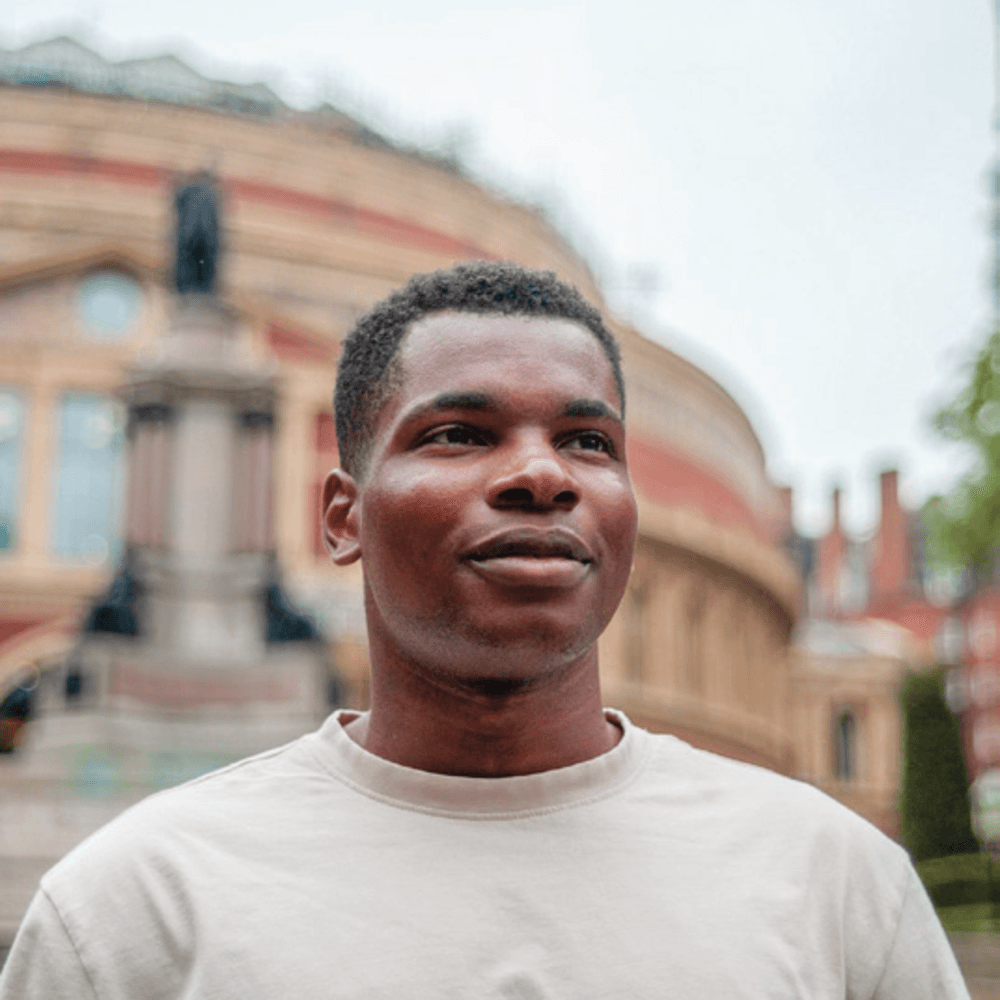 | 29.3 | What'S So Special About Relativity | Raymond Isichei | Imperial College London | This year marks the 120th anniversary of Albert Einstein's Annus Mirabilis (Miracle Year). In 1905 Einstein published four papers on different concepts which completely changed the way we understand the universe. The most revolutionary of these concepts was Einstein's Theory of Relativity. For thousands of years humans were mostly ignorant about space and time. For hundreds of years humans considered space as where things exist and time as being absolute and independent of space. Einstein's breakthrough was not to consider them as separate, but to consider them a unified fabric. To fully appreciate Einstein's revolution and its incredible consequences, we're going to travel through time and space to understand space-time! | Raymond is a 2nd year PhD student in theoretical physics at Imperial College London. His research attempts to understand the mysterious relationship between gravity and thermodynamics in a variety of contexts such as black holes and cosmology. In 2023 Raymond was awarded one of only ten Bell-Burnell Graduate Scholarships in the UK by the Institute of Physics. These scholarships are awarded to highly talented students from underrepresented groups in physics to pursue a PhD in physics. Prior to PhD, Raymond completed his MSc in theoretical physics at Imperial College London where he was awarded the Bayforest Technologies Ltd prize for the best MSc dissertation across all physics courses. |
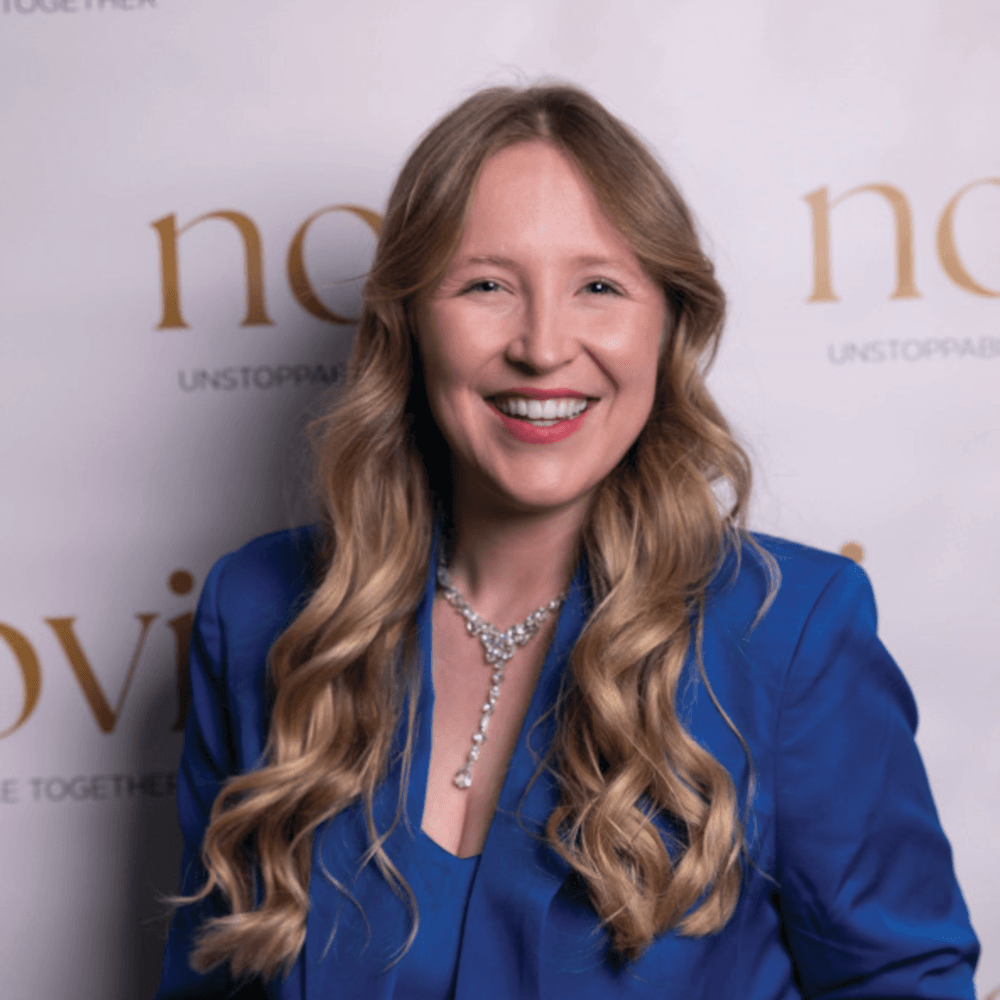 | 29.4 | Powering The Future: Building The Electricity Networks For Net Zero | Susan McDonald | Deloitte UK | Achieving a net zero future depends not only on generating clean energy, but also on transforming the electricity networks that deliver it. In this lecture, Susan McDonald will explore the challenges of designing the resilient, flexible and intelligent energy systems needed to support growing demand, renewable energy and emerging technologies. Students will discover how engineering, digital innovation and strategic planning are helping to create the infrastructure that will power homes, businesses and communities for generations to come, and the exciting career opportunities available in the global energy transition. | Susan McDonald is a Director at Deloitte UK, specialising in the transformation of energy infrastructure and electricity transmission networks. She works with governments, regulators and industry to help deliver the transition to a secure, resilient and low-carbon energy system. Her expertise spans strategic infrastructure planning, energy policy and the development of future electricity networks that will enable the UK's net zero ambitions. Susan has led major projects across the energy sector, combining engineering insight with commercial and policy expertise to help shape the future of sustainable energy infrastructure. She is passionate about developing the next generation of engineers and energy leaders who will drive the transition to a cleaner future. |
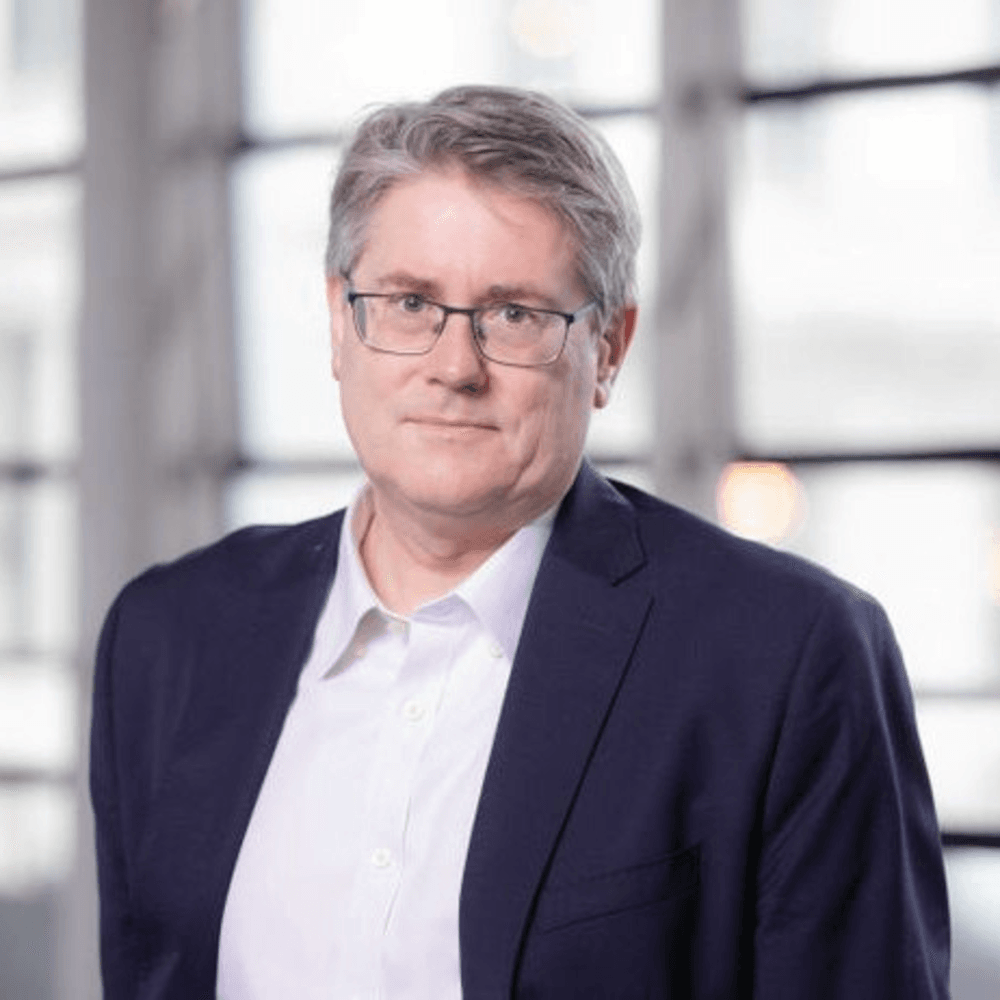 | 29.5 | The Air We Breathe: Unpacking The Hidden Links | Dr Ian Mudway | Imperial College London | We take around twenty thousand breaths every day, but what are we actually inhaling? This session dives into the wider breathed environment to explore how urban air pollution and climate change form a dangerous partnership. We will look at the cutting edge of environmental toxicology to see exactly how inhaled microscopic particles slip past our physical defences to alter our cellular chemistry. Beyond the biology, we will debate the tough political trade-offs and the massive health co-benefits of creating cleaner cities, showing why fixing the air we breathe is one of our most powerful tools to fight climate change and protect human health. | Ian Mudway is Professor of Environmental Toxicology at Imperial College London and Visiting Professor of Environmental Health at Gresham College. He is a leading scientist studying how air pollution and climate change affect our bodies. Professor Mudway co-leads the landmark CHILL study, which tracks how city air impacts the lung development of thousands of school children. His research into cellular biology and health biomarkers helps global leaders create smarter public health policies and design healthier cities for the next generation. |
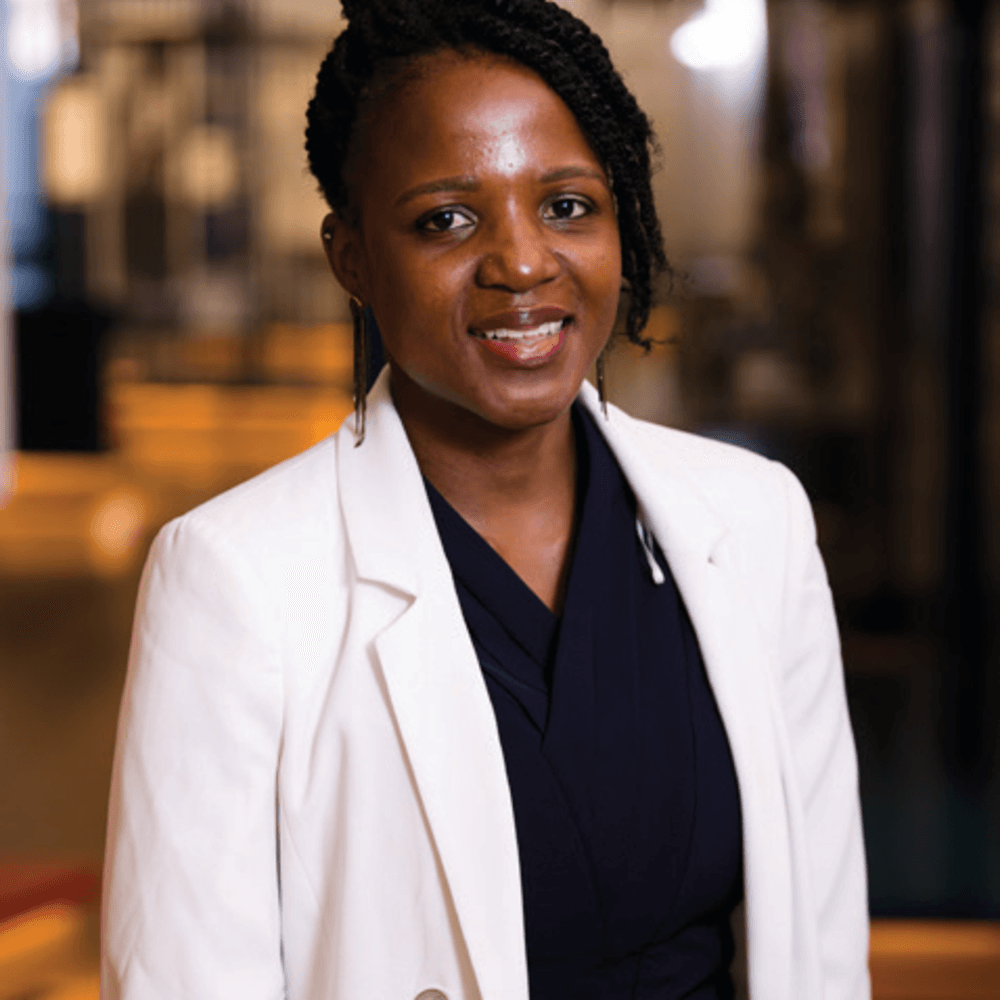 | 29.6 | Designing Net Zero & Climate-Resilient Buildings For A Changing World | Dr Eng Ofetotse | University of Greenwich | In this session, Eng Ofetotse will explore one of the biggest questions facing society: how do we design buildings that use less energy, produce fewer carbon emissions, and still support people's comfort, health, and wellbeing? Buildings are where we live, learn, work, worship, recover, and connect with others. However, they are also major users of energy. Through this session, Eng Ofetotse will examine how engineers and designers can rethink buildings not just as structures, but as active systems that can generate and store energy, respond to climate conditions, and support communities. The lecture will explore ideas such as passive design, renewable energy, smart technologies, energy storage, and climate resilience. Students will be challenged to think creatively about what the buildings of the future should look like, how they should perform, and how they can help us respond to climate change in a fair and practical way. | Dr Eng Ofetotse is a Senior Lecturer in the Built Environment at the University of Greenwich and a consultant in energy management and sustainable engineering. With over a decade of experience across academia, industry, and international development, her work focuses on net zero buildings, energy systems optimisation, and climate-responsive design. She has led multinational projects, including Innovate UK-funded initiatives delivering clean energy solutions in sub-Saharan Africa. She is a Chartered Engineer and Fellow of the Chartered Institution of Building Services Engineers, and holds BREEAM AP, WELL AP, LEED GA, and Fellow of the Higher Education Academy accreditations. |
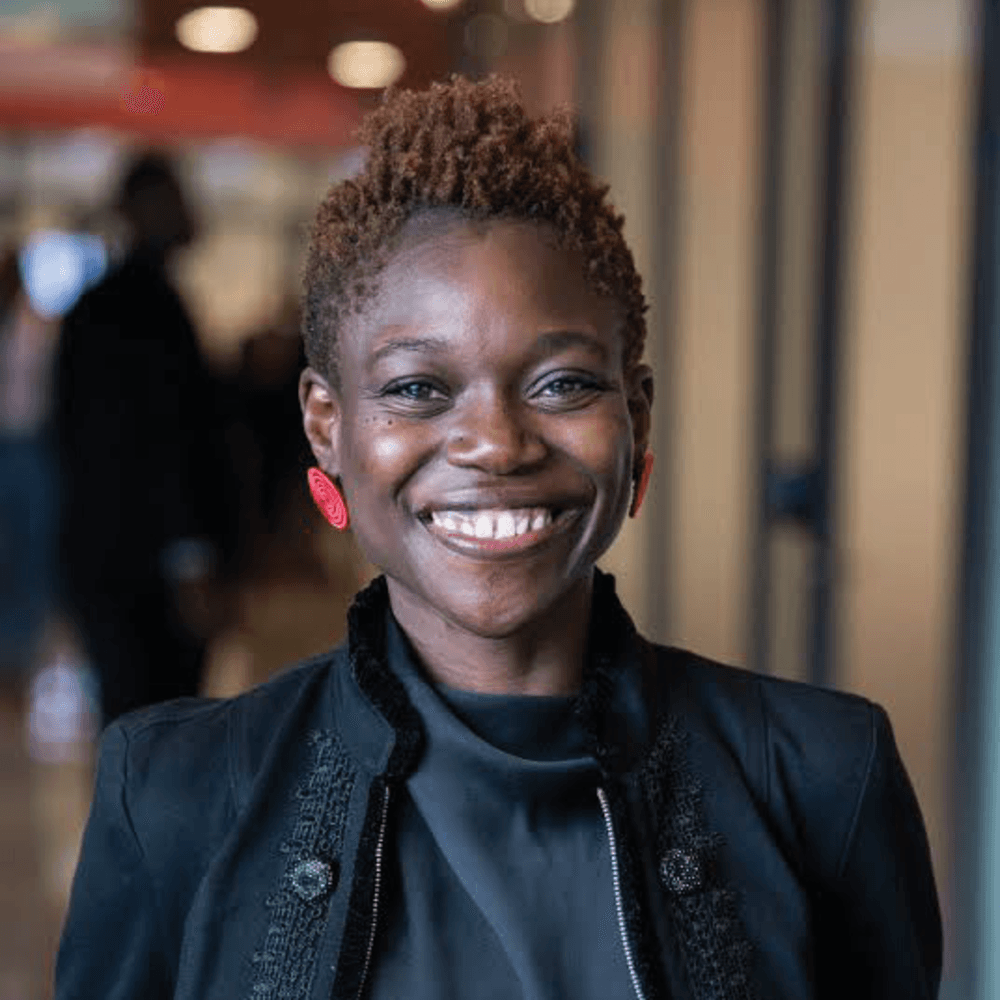 | 29.7 | Public Health: Chronic Disease Impact In Urban Environments | Professor Tolullah Oni | University of Cambridge | Over half of global greenhouse gas emissions come from cities, making urban environments central to tackling climate change and protecting public health, especially in rapidly urbanising regions such as Africa. Many African cities face challenges including poor land use, limited access to safe public spaces, clean air, healthy food, and walkable environments, alongside rising rates of diseases such as obesity and diabetes. This lecture explores how youth-led citizen science and participatory research can support integrated policies for healthier, more climate-resilient cities through urban planning, digital innovation, and prevention-focused public health approaches. | Tolullah Oni is Clinical Professor of Global Public Health and Sustainable Development at the University of Cambridge and Founder of UrbanBetter. An Honorary Professor at the University of Cape Town, she is a pan-African British public health physician and urban epidemiologist with deep ties to Nigeria, South Africa and the UK. Her work bridges science, policy and society to design healthier, climate-resilient cities, grounded in the conviction that health must be built into environments. A widely published scholar, she is a Fellow of the International Science Council and the African Academy of Sciences and a World Economic Forum Young Global Leader. |
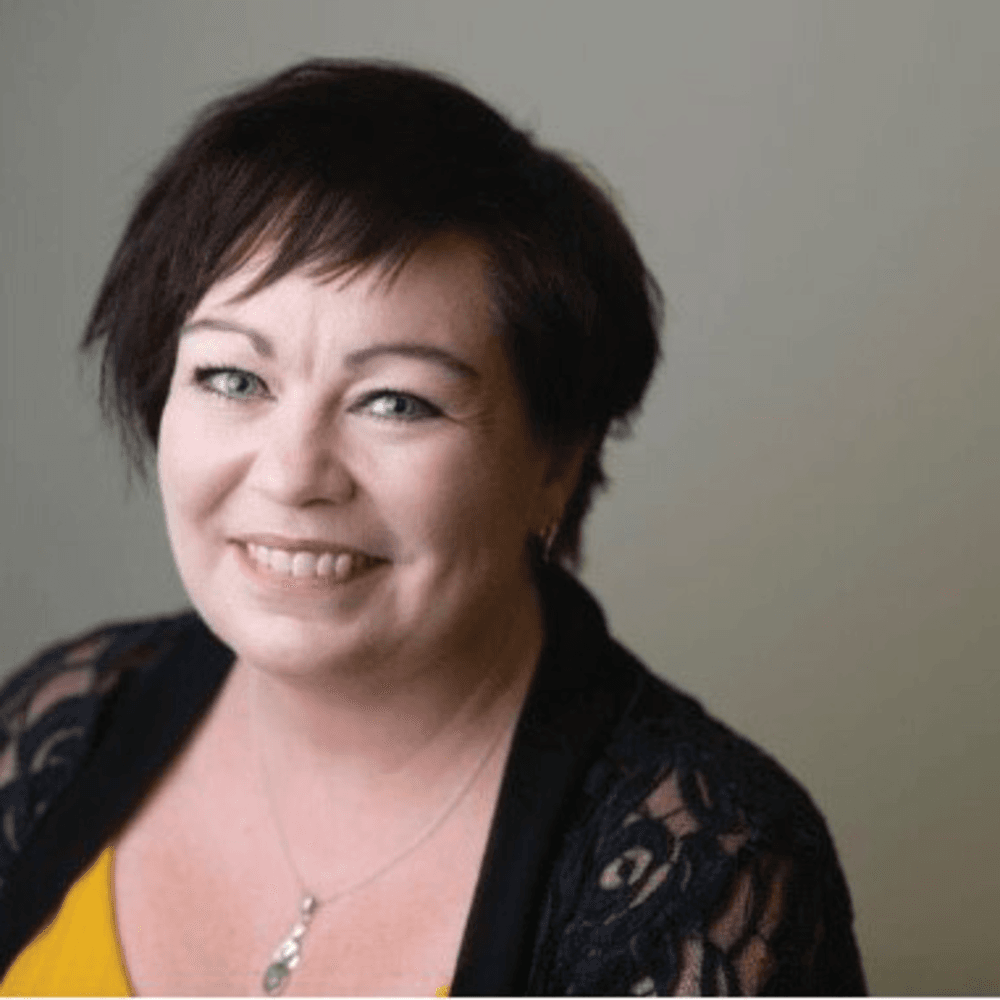 | 29.8 | Pathogens, Penguins And The Planet | Dr Jane Usher | University of Exeter | This lecture explores the emerging threat of fungal pathogens in the context of antimicrobial resistance (AMR) and climate change. Fungi are evolving rapidly, with rising global temperatures expanding their range and virulence. Antarctica, once thought isolated, now reveals critical insights into microbial evolution under extreme conditions. We will examine how climate-driven environmental shifts may foster novel resistant strains and facilitate global spread. Understanding fungal dynamics in such remote ecosystems is key to forecasting global AMR trends and developing effective mitigation strategies in a warming world. | Dr Jane Usher is a Senior Lecturer in Medical Mycology at the University of Exeter's MRC Centre for Medical Mycology. Her research focuses on the fungal pathogen Candida glabrata, particularly its resistance to antifungal treatments and immune responses, using genome sequencing to inform new therapeutic approaches. She earned her PhD in Eukaryotic Gene Regulation from Trinity College Dublin, following an MSc in Molecular Medicine and a BSc in Biology and Statistics, and held postdoctoral roles in Dublin and at the University of Ottawa. She is a BBSRC Discovery Fellow and is active in public engagement on antimicrobial resistance, including the “Researching Resistance” exhibition. |
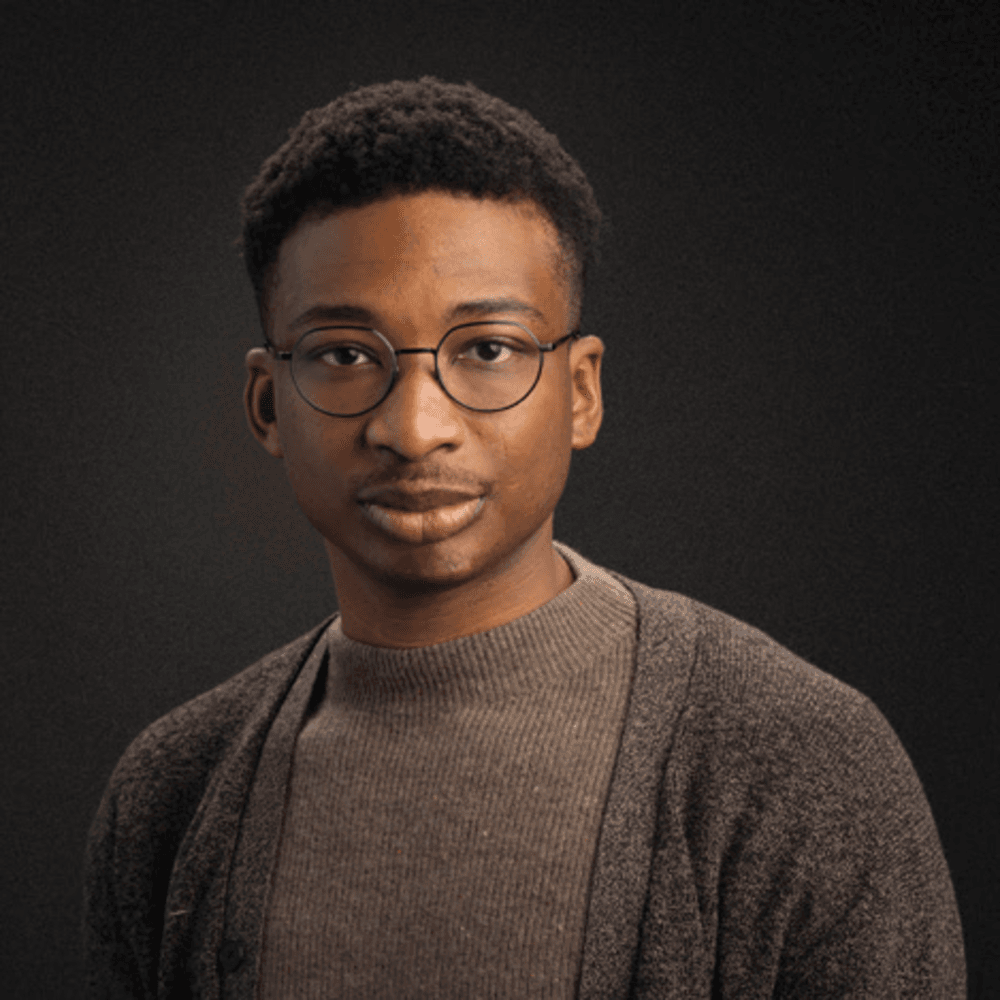 | 30.1 | Building A Heart From Scratch: How Close Are We? | Dr Akinola Akinbote | University of Oxford | Have you heard of 3D bioprinting, stem cells, or organ-on-chips? This lecture will introduce the fundamental concepts of tissue engineering, or regenerative medicine, which aims to repair or replace damaged organs with functional human tissues. These in vitro tissues are built from basic blocks—cells, biomolecules, and scaffolds—to approximate the in vivo environment. We will learn how technologies like these are used to engineer heart tissues, with examples ranging from early-stage ideas to recent in vivo trials, with a strong focus on microfluidic devices. Given its potential to transform medicine, we will close with interactive team discussions, evaluating current advances and limitations, and propose ways to advance the field. | Dr Akinbote earned his PhD jointly from EMBL Barcelona and the University of Heidelberg in the Haase group, where he engineered vascularised cardiac tissues using iPSC technologies and microfluidics to study coronary microvascular function. Earlier, he studied Polymers and Biomaterials Engineering at Case Western Reserve University, briefly worked in medical devices and was a visiting researcher at MIT. He recently joined Oxford's Department of Physiology, Anatomy and Genetics as a postdoctoral researcher in the Simões group, developing 3D models to advance cardiac regenerative therapies. Through his involvement in training and advocacy, he seeks to create an inclusive scientific community. |
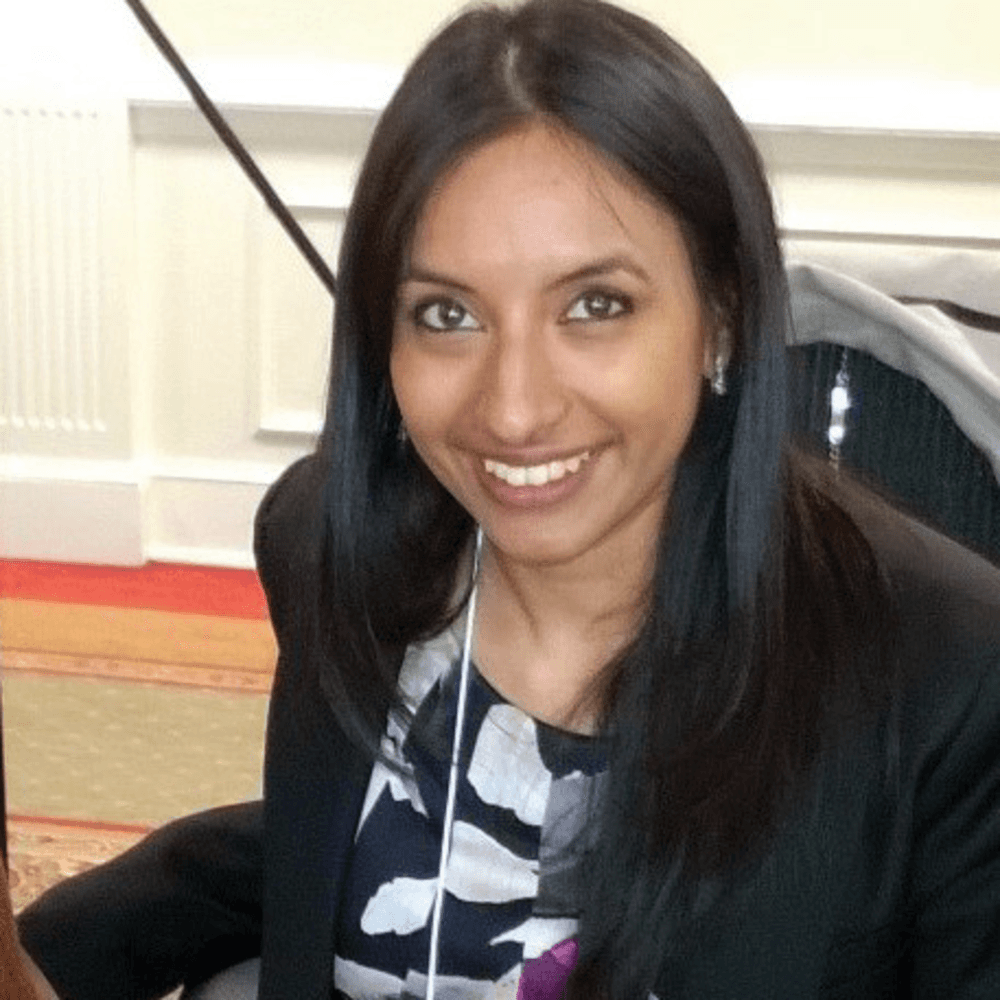 | 30.2 | Moving Towards Treatments For Dementia & Motor Neuron Disease | Dr Rubika Balendra | University College Hospital (UCLH) | The health and socioeconomic burden of dementia and neurodegenerative diseases continues to grow worldwide. This lecture explores recent advances in neurodegeneration research, with a focus on how genetics is improving our understanding of diseases such as Motor Neuron Disease and supporting the development of new treatments. It will highlight innovative disease models, including human stem cell-derived neurons and fruit flies, used to investigate clinically relevant pathways and therapeutic approaches. | Rubika is a Specialty Registrar in Neurology and the National Hospital for Neurology and Neurosurgery. She completed a PhD as a Wellcome Trust and UCL Leonard Wolfson Research Training Fellow investigating motor neuron disease and frontotemporal dementia at the UCL Institute of Neurology. She read medicine at Cambridge University and UCL. She trained in clinical and academic medicine as an Academic Clinical Neurosciences Foundation Trainee at Cambridge University. She continued clinical and academic training as an Academic Clinical Fellow at King's College London and as an Academic Clinical Lecturer at UCL. She enjoys teaching science and medical students and is actively involved in public engagement in science. She was an LIYSF participant in 2003 and a staff member from 2004-2007. |
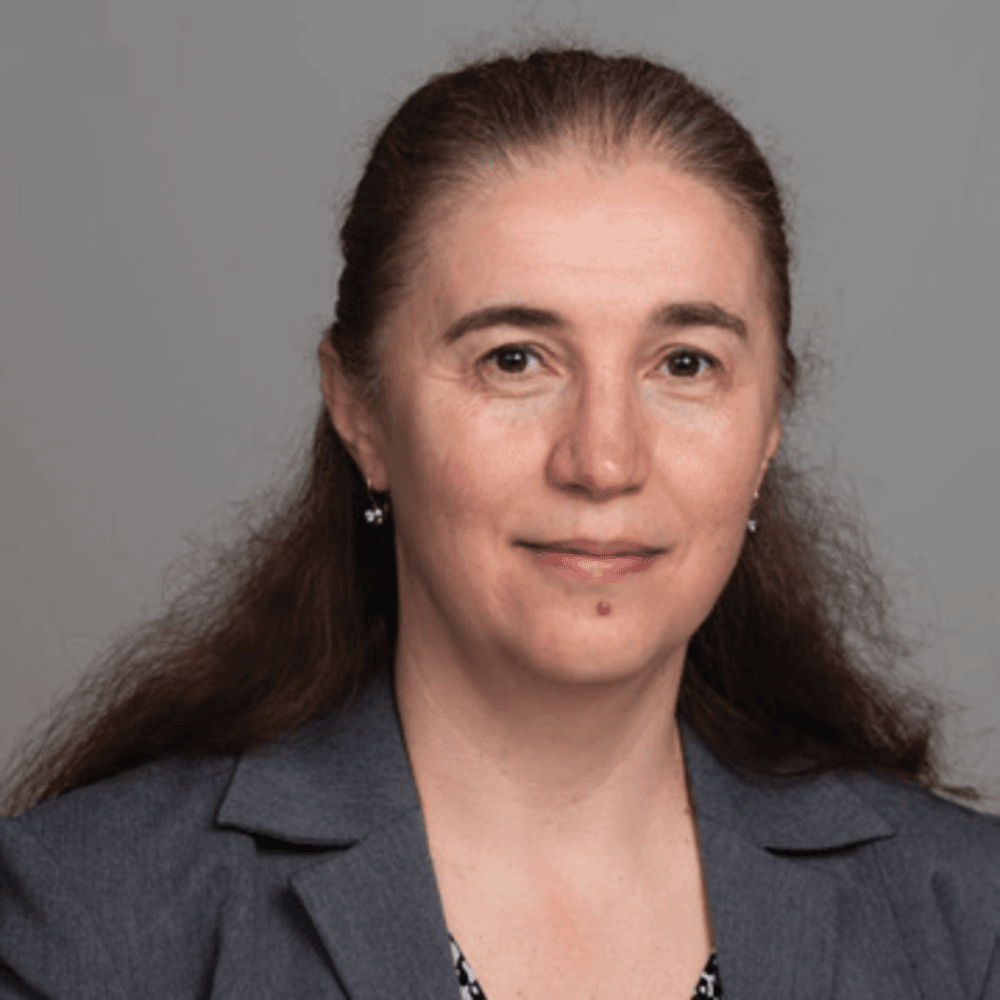 | 30.3 | Quantum World Of Superconductors | Professor Amalia Coldea | University of Oxford | Superconductors are remarkable materials that can conduct electricity without resistance, offering enormous potential for future technologies. In this lecture, Professor Amalia Coldea will explore the fascinating quantum world of superconductivity and introduce the research behind discovering and understanding new superconducting materials. Drawing on cutting-edge experiments using high magnetic fields and low temperatures, she will explain how studying the behaviour of electrons at the quantum level is helping scientists develop new theories and pave the way for future technological advances. | Professor Amalia Coldea is Group Leader of the Quantum Matter in High Magnetic Fields group at the University of Oxford, Senior Research Fellow at Somerville College, and a Fellow of the American Physical Society. Her research explores quantum materials and superconductivity using high magnetic fields and advanced experimental techniques. She is Co-Director of the Oxford Centre for Applied Superconductivity and has received numerous prestigious awards, including the 2023 APS Fellowship and the Institute of Physics Brian Pippard Prize. Alongside her research, she is a passionate advocate for inspiring young people, particularly women, to pursue careers in physics. |
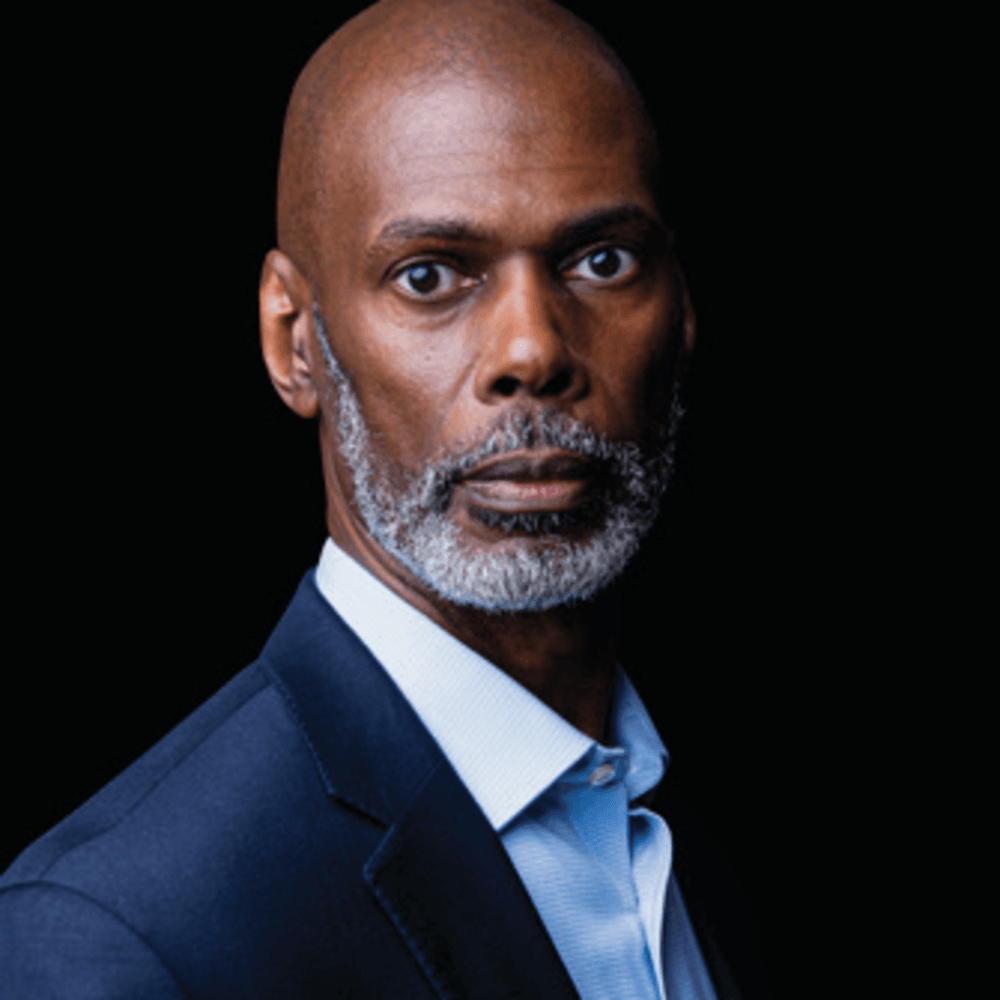 | 30.4 | AI In STEM: Unlocking Potential & Navigating Risks | Dr Howard Haughton | King's College London | Artificial Intelligence (AI) is revolutionising the fields of Science, Technology, Engineering, and Mathematics (STEM), offering unprecedented opportunities and posing significant challenges. In this talk, we will explore how AI enhances research capabilities, accelerates innovation, and opens new frontiers in STEM disciplines. Conversely, we will also delve into the potential threats, such as ethical dilemmas, data privacy concerns, and the risk of widening the digital divide. By examining both sides of the coin, we aim to foster a balanced understanding of AI's role in shaping the future of STEM, preparing the next generation to harness its power responsibly. | Dr Howard Haughton is an expert in quantitative financial risk with a focus on computational finance. He is a Senior Visiting Research Fellow at King's College London. He is the EDI (Equity, Diversity & Inclusion) Champion at the Institute of Mathematics and Chair of Sporting Equals, the UK's leading organisation for racial equality in sports. He has a PhD in Mathematical Computer Science and worked in risk and capital markets across prominent institutions, including JP Morgan Chase, Deutsche Bank, Merrill Lynch, and Dresdner Bank AG. He has provided advisory services to government bodies and other organisations on sustainable development, leadership, corporate governance, diversity, and inclusion. |
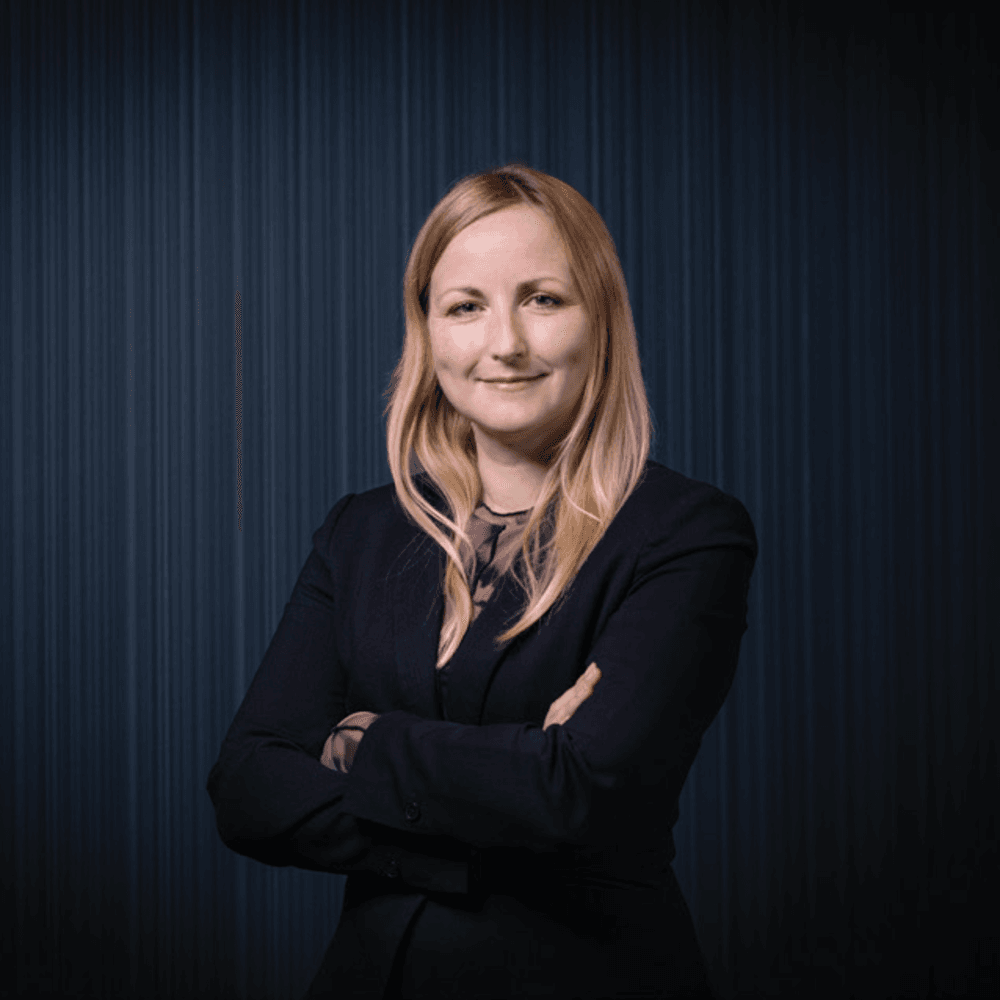 | 30.5 | Rover And Over Again | Abigail Hutty | ispace Europe SA, Luxembourg | Space Rovers have been used to explore the moon and other planets for decades. Abbie has worked on six different Rover missions, two for Mars and four for the moon. Some parts look very similar between the final designs of these and other space rover missions, but other areas of the designs are totally different. Why? In this session we will explore the design drivers for these missions, such as concept of operations, traverse distance, operational life, signal delay, thermal environment, terrain type, materials restrictions, planetary protection and so on, and how they impact the optimal rover design. | Abbie Hutty is Chief Engineer at ispace Europe SA, where she leads the development of Lunar Rover missions, including MAGPIE – the first European Space Agency funded rover mission for the moon. Prior to this role, she spent 12 years at Airbus space in the UK, working primarily on Mars Rover missions; first on ExoMars – Europe's first Rover mission to Mars, and then on the NASA-ESA collaboration for the Mars Sample Return mission, the Sample Fetch Rover. Abbie is a chartered engineer, holding a Master's Degree in Mechanical Engineering from the University of Surrey. |
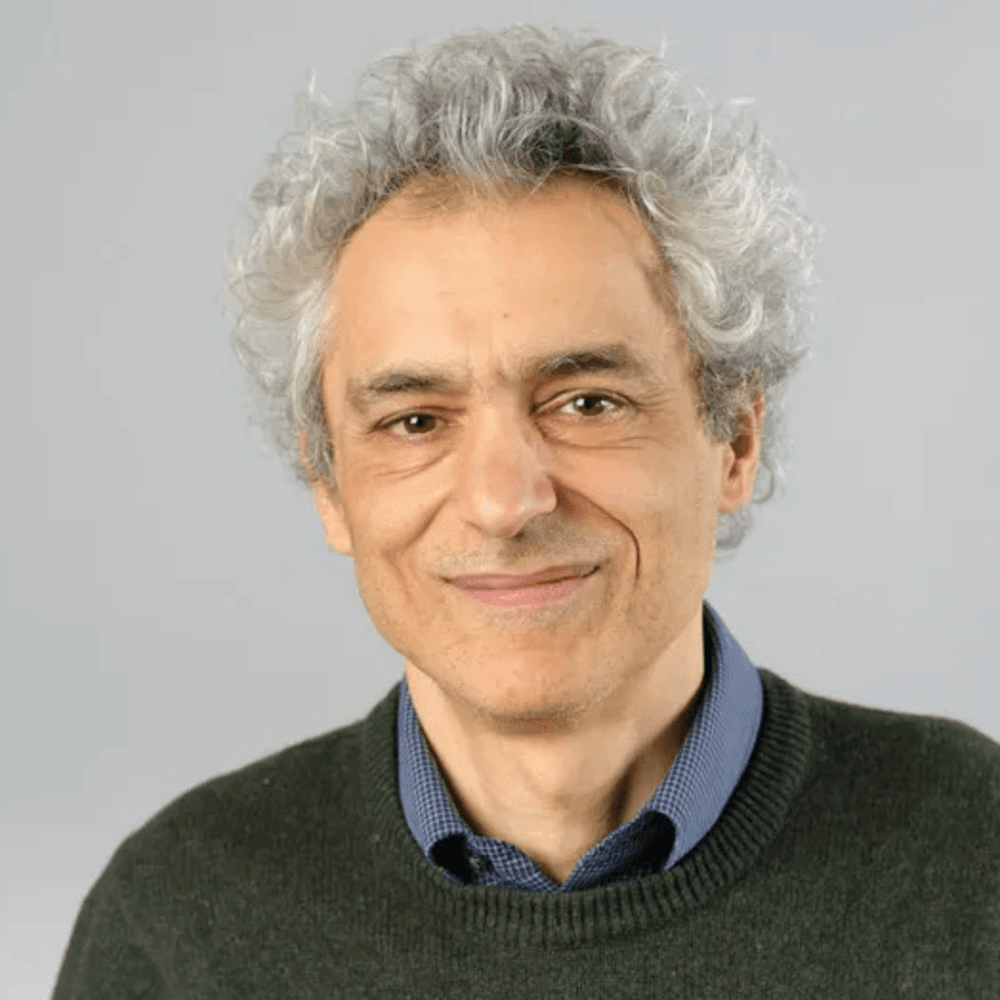 | 30.6 | From “Platelet Dust” To Extracellular Vesicles | Professor Jameel Inal | London Metropolitan University | Thirty years ago, extracellular vesicles (EVs) were thought to be cellular debris with little significance. Today, they are recognised as key mediators of intercellular communication and a rapidly growing area of biomedical research. This lecture explores the evolution of EV biology, from early observations to current understanding of their biogenesis, cargo, and roles in health and disease. It also highlights their translational potential as drug delivery systems, tools for tissue repair, and minimally invasive biomarkers for conditions such as cancer and infectious disease, tracing their journey from “platelet dust” to powerful diagnostic and therapeutic tools. | Professor Jameel M. Inal is an internationally recognised immunobiologist and Professor of Immunobiology at London Metropolitan University, with over three decades of research, teaching and leadership experience spanning infectious diseases, cancer immunology and extracellular vesicle (EV) biology. He is also Visiting Professor of Biomedical Science at the University of Hertfordshire and a founding member of the International Society for Extracellular Vesicles. His pioneering research has advanced understanding of EVs in disease diagnosis and therapy, leading to major grants, patents, and highly cited publications. He has supervised 18 PhD completions, held senior academic leadership roles, and is ranked among the world's leading researchers in extracellular vesicle research. |
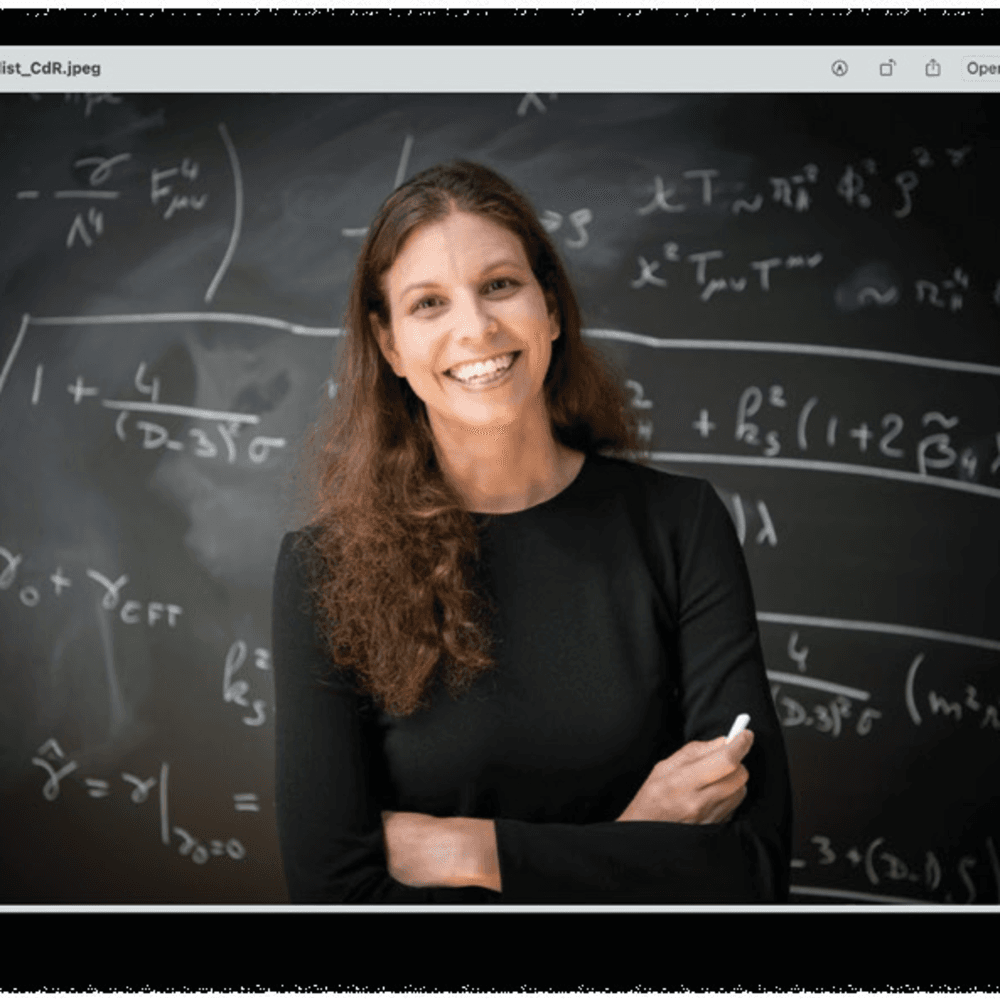 | 30.7 | The Beauty Of Falling | Professor Claudia de Rham | Imperial College London | Gravity is the overarching miracle connecting everything, everywhere, forever in the Universe. It has been tested with impeccable agreement in the most challenging environments from the edges of black holes to the weakest strain of gravitational waves. Yet, at the core of all its successes, its most profound feature yet is that it predicts its own fall. Join groundbreaking physicist, Claudia de Rham, as she uncovers the downfall of gravity, pushing the limits of knowledge and argues how navigating through the foundations of gravity may underpin the origin and fate of the Universe while naturally explaining its accelerated expansion without postulating the need for a new kind of ad hoc and unknown dark energy. | Claudia de Rham is a Professor of Theoretical Physics at Imperial College London, where she is also the Director of the Abdus Salam Centre of Theoretical Physics. Her research challenges gravity, particle physics and cosmology in pursuit of a more fundamental description of the nature of our Universe and the laws that govern it. She is ranked among the most impactful researchers in fundamental physics of the past decade and her contributions to science have been recognised by numerous grants and awards. She's the author of an Encyclopaedia of Cosmology and her first popular science book “The Beauty of Falling – A Life in Pursuit of Gravity” is being translated in over 10 languages so far. |
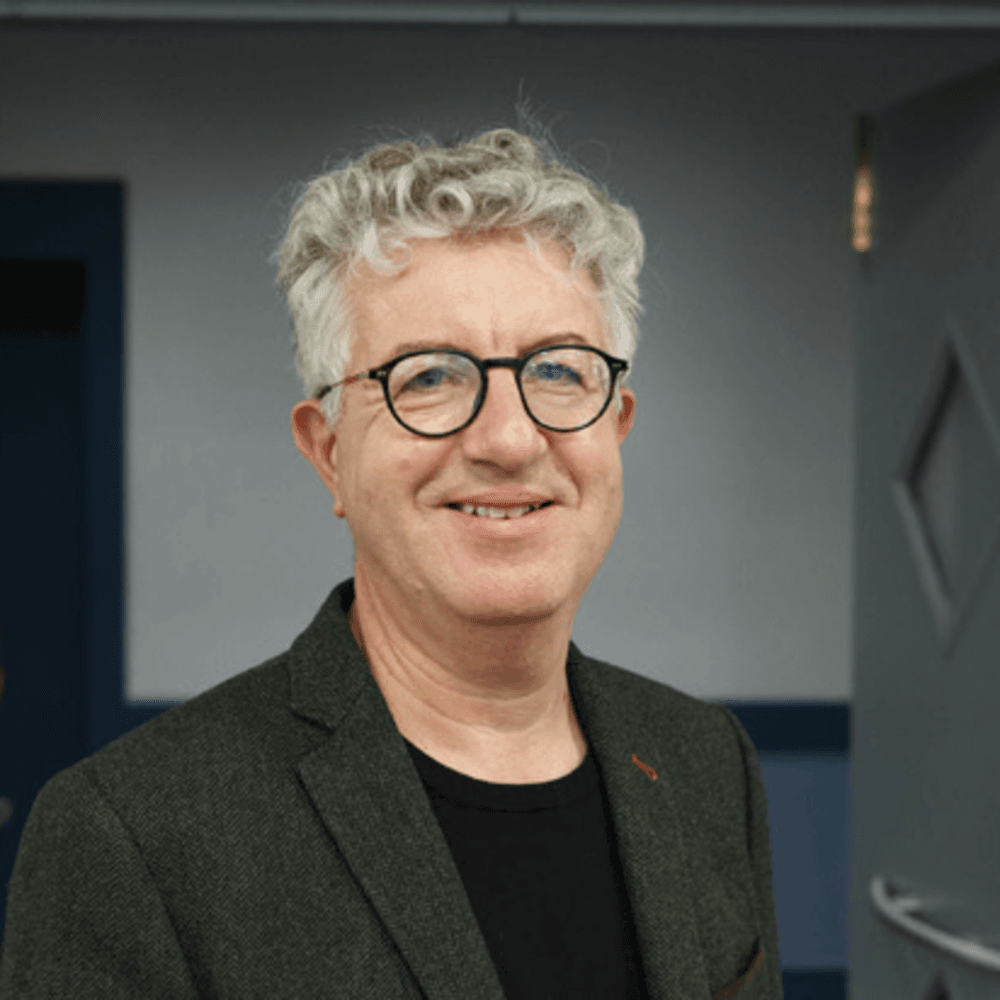 | 30.8 | Why Sleep Is Good For You | Professor William Wisden | Imperial College London | We have all felt the effects of a poor night's sleep. If we don't sleep well we feel generally groggy. And if we don't sleep at all, our body takes over and forces us to go to sleep, at least for a while. It seems that regular sleep is needed to maintain the body's health. But researchers still do not understand why we need to sleep. In this lecture, Professor William Wisden will outline current research findings on how sleep may help the brain. | William Wisden, born in Shoreham-by-Sea, Sussex, was educated at the University of Cambridge, where he completed a first-class BA in Natural Sciences (Zoology) and then subsequently a PhD. At Imperial, Wisden is Director of the UK Dementia Research Institute Centre. He is a Fellow of the Academy of Medical Sciences, a Member of the Academia Europea, and a Fellow of the Royal Society (2024). |