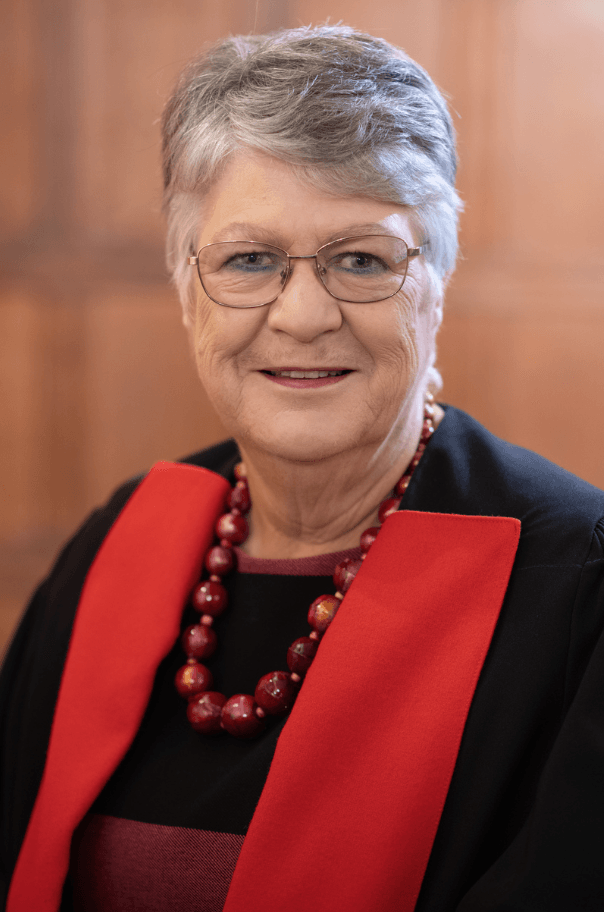
Professor Jane Clarke is a distinguished biophysical chemist and internationally recognised leader in the study of protein folding, misfolding and interactions. Her multidisciplinary research at the University of Cambridge has helped advance our understanding of how proteins acquire their complex structures, why they sometimes fold incorrectly, and the fundamental processes that underpin their behaviour. Her research has combined protein engineering with experimental biophysics and computational approaches.
Her route into scientific research is as remarkable as her scientific career. After studying Biochemistry at the University of York, Jane trained as a teacher and spent several years teaching science in comprehensive schools, including serving as Head of Science at an inner-London school. At the age of 40, and with two children, she began her PhD at Cambridge with renowned protein chemist Professor Sir Alan Fersht. She subsequently undertook postdoctoral research in biological NMR at the MRC Centre for Protein Engineering before returning to Cambridge's Department of Chemistry as a Wellcome Trust Research Fellow. She later became Professor of Molecular Biophysics.
Jane's contributions to science have received significant international recognition. She was elected a Fellow of the Academy of Medical Sciences in 2013 and a Fellow of the Royal Society in 2015, received the Protein Society's prestigious Stein and Moore Award in 2016, and was elected an International Member of the US National Academy of Sciences in 2023.
After retiring from her Professorship in 2017, Jane became the first female President of Wolfson College, Cambridge, serving for seven years until 2024. She is now an Emeritus and Honorary Fellow of Wolfson College. Throughout her career she has been a strong advocate for widening participation in science and higher education, supporting young researchers and encouraging more women to remain and progress in scientific careers.
For LIYSF students, Jane's career carries a particularly powerful message: there is no single route into science and no prescribed timetable for becoming a scientist. Beginning a PhD at 40, after an established career in teaching and while raising a family, she went on to become an internationally recognised scientist, Fellow of the Royal Society and Cambridge College President. Her career demonstrates the importance of curiosity, perseverance, opportunity and being willing to take an unexpected path.
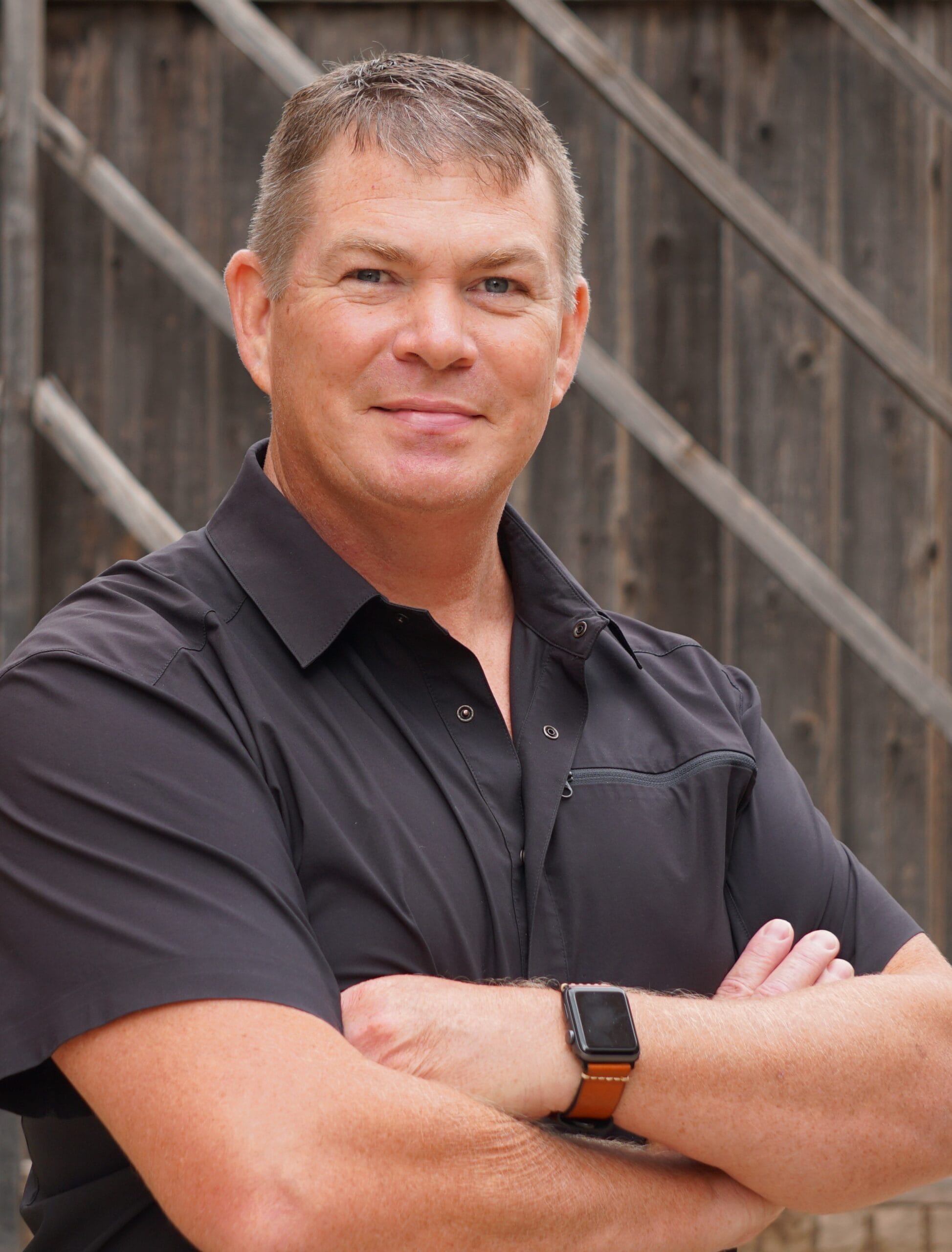 Jason Osborne
 Dr. Jason Nurse
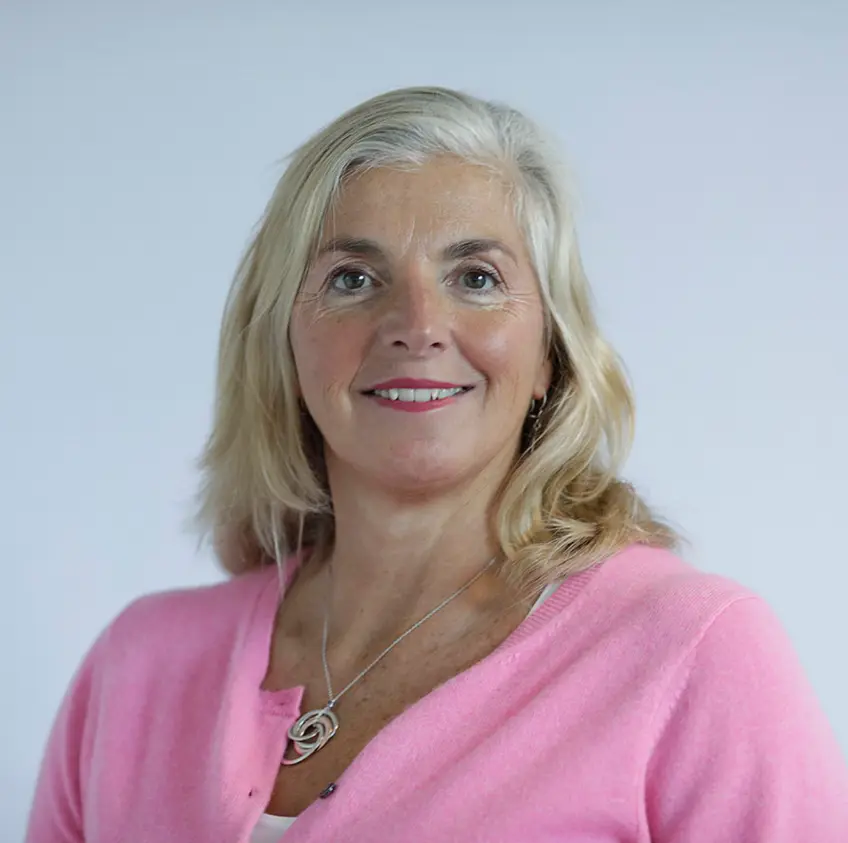 Professor Clare Elwell